

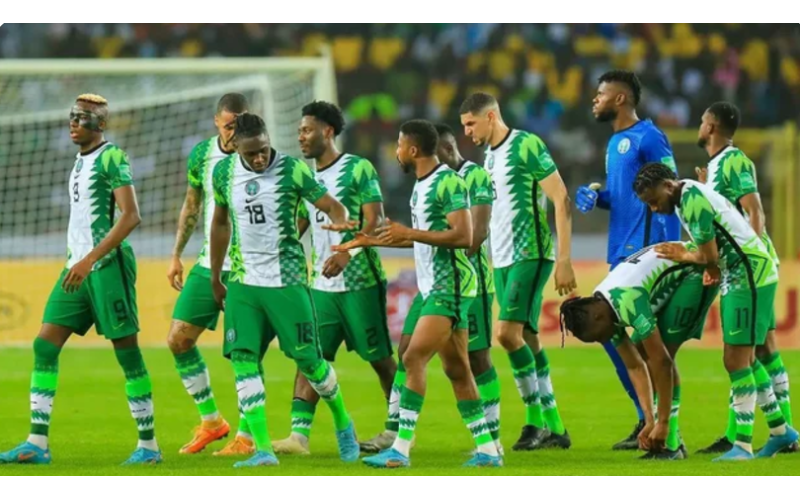
Nigeria’s journey to qualify for the 2026 FIFA
World Cup has been anything but smooth. Despite boasting one of Africa’s
most talented squads, the Super Eagles find themselves in a precarious
position after a string of disappointing results in the CAF World Cup
Qualifiers. The pressure is mounting as fans, football analysts, and the
Nigerian Football Federation (NFF) seek answers to the team’s underwhelming
performances.
With just a few games left in the qualification
series, the Super Eagles must overcome tactical issues, inconsistent
performances, and stiff competition to secure a spot in the tournament set
to be hosted by the United States, Canada, and Mexico. This article provides an
in-depth analysis of Nigeria’s qualification struggles, the factors responsible
for their poor campaign, and the possible solutions to rescue their World Cup
hopes.
Nigeria’s Struggles in the Qualification
Campaign
A Rocky Start to the Campaign
Nigeria was placed in Group C of the CAF World Cup
Qualifiers, alongside teams such as South Africa, Benin, Rwanda,
Zimbabwe, and Lesotho. Many expected the Super Eagles to dominate the
group, but the reality has been different.
The team started their campaign with a disappointing
1-1 draw against Lesotho in Uyo, a result that immediately raised concerns
about their preparedness. This was followed by another 1-1 draw against
Zimbabwe, further denting their hopes. A crucial match against South
Africa ended in a 2-2 draw, before Nigeria suffered a shock 2-1 defeat
to Benin, putting their World Cup qualification at serious risk.
Currently, Nigeria sits fifth in the group
standings, with only a few matches left to turn things around. If they fail
to secure maximum points in their remaining games, they risk missing out on the
FIFA World Cup for the second consecutive time, having failed to qualify for
the 2022 edition in Qatar.
Factors Behind Nigeria’s Poor
Qualification Campaign
1. Tactical Problems and Coaching
Instability
One of the biggest problems facing the Nigerian team
is a lack of tactical identity. The Super Eagles have struggled to find
a consistent playing style under different coaches. José Peseiro,
who led Nigeria to the final of the 2024 Africa Cup
of Nations (AFCON), left his role after the tournament, creating a
leadership vacuum.
In January 2025, the NFF appointed Eric Chelle,
a former Mali national team coach, to take over. However, with limited time to
implement his philosophy, Nigeria’s performances have remained disjointed.
Tactical inefficiencies, poor defensive organization, and ineffective midfield
control have all contributed to the team’s struggles.
2. Inconsistent Player Performances
Despite having a squad filled with European-based
stars such as Victor Osimhen, Ademola Lookman, Alex Iwobi, and Samuel
Chukwueze, Nigeria has lacked consistency. Key players have suffered from poor
form, injuries, and fitness issues, which has affected the team’s cohesion.
For example, Osimhen, Nigeria’s top striker,
has been dealing with injuries and has missed crucial matches. Similarly, Wilfred
Ndidi, a vital figure in the midfield, has struggled with fitness problems,
leaving the team vulnerable in crucial moments.
3. Defensive Frailties and Goalkeeping
Issues
Nigeria’s defense has been one of their biggest
weaknesses in the qualifiers. The center-back pairing of Calvin Bassey and
Semi Ajayi has lacked chemistry, leading to unnecessary defensive errors.
Additionally, the full-backs have struggled to provide balance between attack
and defense.
Another major issue is the goalkeeping department.
Since the retirement of Vincent Enyeama, Nigeria has struggled to find a
reliable shot-stopper. Current goalkeepers Francis Uzoho and Stanley Nwabali
have shown inconsistency, leading to costly mistakes in crucial matches.
4. Psychological Pressure and Lack of
Confidence
The pressure of World Cup qualification seems to be
affecting the Super Eagles mentally. Nigeria’s recent history of struggling in
qualifiers—especially after missing out on the 2022 World Cup—has
created a sense of anxiety among the players.
The inability to win games they are expected to
dominate has raised questions about the team’s confidence. Against Benin,
for example, Nigeria took the lead but eventually lost 2-1, showing a lack of
game management and mental toughness.
5. Stronger Opponents and Rising African
Competition
Gone are the days when African football was dominated
by just a few teams. Smaller teams like Benin, Lesotho, and Zimbabwe have
improved significantly, making qualification more competitive.
South Africa, one of Nigeria’s main rivals in the
group, has developed a well-organized and disciplined team. With limited spots
available for Africa in the 2026 World Cup, the increased competition has made
Nigeria’s path to qualification even harder.
What Must Nigeria Do to Qualify?
Despite their current struggles, Nigeria still has a
chance to turn things around. Here are some key solutions that could help the
Super Eagles secure qualification:
1. Tactical Adjustments and Better Team
Selection
Coach Eric Chelle must quickly establish a
clear tactical plan that suits the team’s strengths. He needs to find the right
balance in midfield and attack while ensuring the defense is well-organized.
Additionally, player selection must be based on form,
fitness, and tactical suitability, rather than reputation. If some key
players are underperforming, they should be benched in favor of hungrier, more
in-form alternatives.
2. Defensive Reinforcement and Goalkeeping
Stability
Nigeria’s defensive weaknesses must be addressed
urgently. The coaching staff should consider bringing in more experienced
defenders or experimenting with new defensive pairings.
In goal, a decision must be made on who should be the
first-choice goalkeeper. Whether it’s Francis Uzoho, Stanley Nwabali, or a
new option, consistency in selection is crucial to building confidence in
the defense.
3. Leadership and Mental Strength
The team needs stronger on-field leadership to
motivate players during difficult moments. Ahmed Musa, the team captain,
has been a great leader, but younger leaders such as Osimhen, Iwobi, and
Ndidi must step up and inspire their teammates.
A sports psychologist could also be brought in to help
the players handle pressure better, ensuring they remain composed in
high-stakes matches.
4. Maximizing Home Advantage
Nigeria has failed to make the most of their home
matches, dropping points against Lesotho and South Africa in Uyo. Moving
forward, the team must ensure they win all remaining home games convincingly.
The supporters must also play their part by
creating an intimidating atmosphere for visiting teams. A passionate home crowd
could make a significant difference in boosting the players’ confidence.
5. Urgent Need for Wins in Remaining
Fixtures
Nigeria has just a few matches left to rescue their
World Cup qualification hopes. Upcoming games against Rwanda, Zimbabwe, and
South Africa will be must-win encounters. Anything less than maximum points
in these fixtures could spell disaster.
The players must approach these games with a do-or-die
mentality, understanding the consequences of missing out on another World
Cup.
Conclusion: Can Nigeria Still Qualify?
Although Nigeria’s qualification campaign has been
disappointing so far, all hope is not lost. With strategic adjustments, better
performances, and a stronger mentality, the Super Eagles can still secure a
spot at the 2026 World Cup.
However, time is running out. The NFF, coaching staff,
and players must work together to correct their mistakes and ensure the nation
does not suffer another heartbreaking failure.
The next few matches will define Nigeria’s football
future. Will the Super Eagles rise to the occasion, or will they crumble
under pressure? Only time will tell.
Comments:
Leave a Reply