

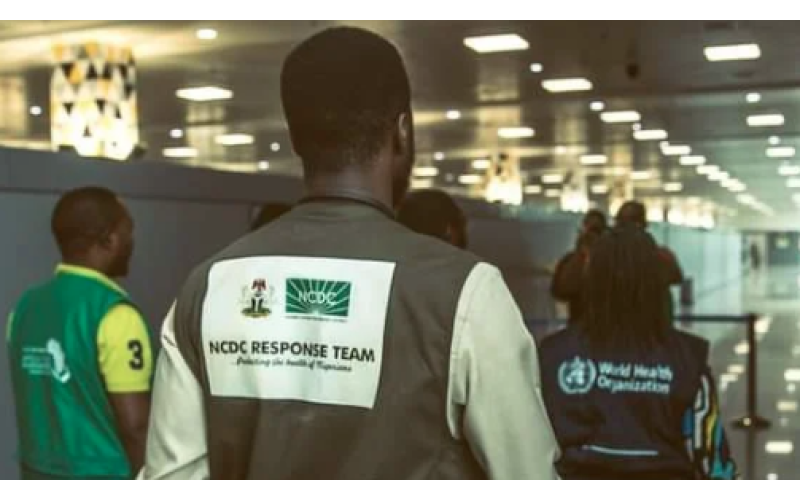
The Federal Government of Nigeria is exploring travel restrictions from Ebola-affected countries as part of a comprehensive strategy to prevent the deadly virus from entering the country.
The proposal, aimed at curbing the potential spread of
Ebola, targets flights from Uganda, the Democratic Republic of Congo (DRC), and
South Sudan—all currently battling outbreaks of the disease.
Chief of Staff to the President, Femi Gbajabiamila,
announced the plan on Thursday, May 28, following a high-level strategic
meeting in Victoria Island, Lagos State, where officials reviewed Nigeria's
Ebola preparedness and response framework.
"We have a health scare, which is Ebola, and we
all know what happened the last time," Gbajabiamila stated, referencing
Nigeria's 2014 Ebola experience. "The cases are getting worse
internationally, and we don't want to leave anything to chance."
The proposed travel restrictions would be accompanied
by strict isolation measures for passengers exhibiting Ebola symptoms at the
country's points of entry. Additional protocols being considered include
utilizing cargo terminals for arrivals from affected regions.
The meeting drew key stakeholders, including NCDC
Director General Dr. Jide Idris, Minister of Interior Olubunmi Tunji-Ojo, and
Lagos State Commissioner for Health Akin Abayomi.
President Bola Tinubu has been briefed on the
situation in the DRC and Uganda, with assurances that the government will take
all necessary steps to prevent any Ebola case in Nigeria.
Minister Tunji-Ojo confirmed that all entry points
would be placed under strict monitoring, with the Nigeria Immigration Service
working closely with the NCDC for early detection and rapid response.
Dr. Idris warned that Ebola remains a severe viral
disease with no known cure or vaccine, emphasizing the need for sustained
vigilance, particularly among healthcare workers. Preparedness plans have been
activated across all 36 states, with public awareness campaigns set to be
intensified.
"This particular virus has no treatment, no
vaccines. So it's public health measures that need to be done—isolation, quick
detection, public enlightenment, infection prevention, and control," Dr.
Idris explained.
Comments:
Leave a Reply