

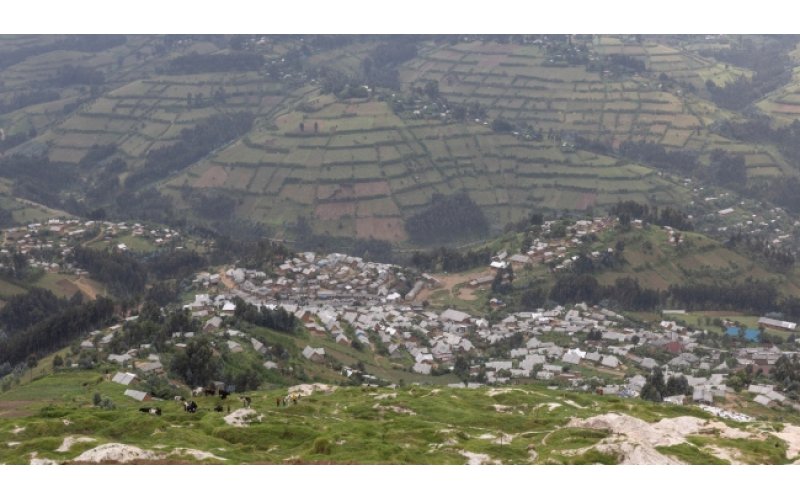
At least 200 people are feared dead following a series
of landslides at a major coltan mining site in eastern Democratic Republic of
Congo, an area under the control of the M23 armed group.
The disaster occurred at the Rubaya mine in North Kivu
province, a strategic site that supplies an estimated 15 to 30 percent of the
world’s coltan—an essential mineral used in the manufacture of electronic
devices such as smartphones and laptops.
According to the Congolese communications ministry, a
large section of the hillside collapsed midweek, triggering deadly landslides
that buried miners working at the site. The ministry said it was deeply
distressed by the scale of the tragedy and warned that the death toll could be
significant.
Information gathered by AFP indicates that the first
collapse happened on Wednesday afternoon, followed by another landslide early
Thursday morning.
Rubaya is located on steep, erosion-prone hills
crisscrossed by narrow dirt roads that often become inaccessible during the
rainy season. Thousands of artisanal miners work there daily under hazardous
conditions, relying mainly on basic tools such as shovels and wearing minimal
protective gear.
The M23-appointed governor of North Kivu, Eraston
Bahati Musanga, who visited the site on Friday, said at least 200 bodies were
believed to be trapped beneath the debris. While some bodies have been
recovered, authorities have not released an official figure.
Independent verification of the casualty toll has
proven difficult due to communication challenges in the area. Phone networks
have reportedly been down for days, while government officials and civil
society groups left the region after M23 forces took control.
Humanitarian sources said details are slowly emerging
through informal channels, including motorbike couriers moving between
communities. Survivors injured in the landslides have been taken to nearby
health facilities that are already struggling with limited medical supplies.
Reacting to the incident, Belgium’s embassy in
Kinshasa expressed sympathy and solidarity with victims and their families.
Eastern DR Congo has endured decades of instability
and violence, particularly in mineral-rich regions bordering Rwanda and
Burundi. The M23 group, which resurfaced in 2021, seized Rubaya in April 2024
with alleged support from Rwanda.
United Nations experts say the militia has established
a parallel administrative system to oversee mining operations in Rubaya. The
group is estimated to earn around $800,000 monthly from coltan production
through taxes imposed on miners and traders.
UN investigators have also accused Rwanda—an
allegation Kigali denies—of backing the M23 and benefiting from the illegal
export of Congolese minerals.
On Sunday, authorities in Kinshasa called on the
international community to recognise the severity of the disaster, blaming it
on what they described as armed occupation and a structured system of mineral
exploitation.
Although the government said all mining and commercial
activity in Rubaya was officially banned in February 2025, it noted that
between 112 and 125 tonnes of coltan are still extracted each month and
transported exclusively to Rwanda.
Comments:
Leave a Reply