

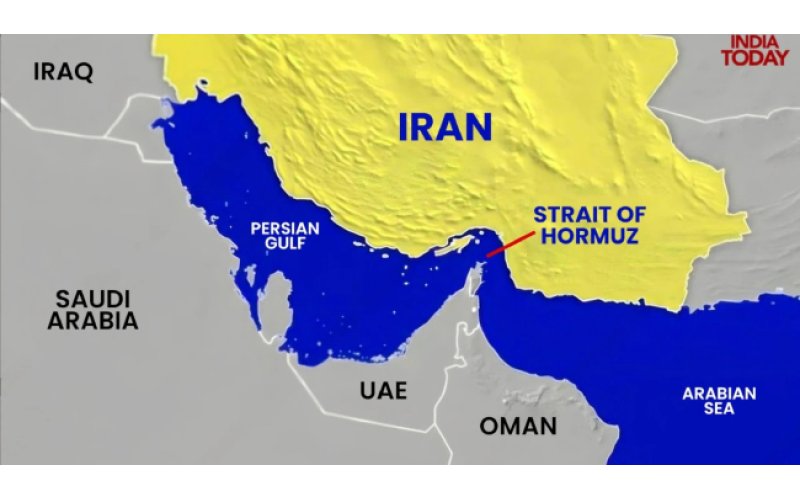
Global maritime activity has been severely disrupted
as tensions escalate in the Strait of Hormuz, a critical waterway through which
about one-fifth of the world’s crude oil and liquefied natural gas typically
passes during peacetime.
The disruption follows the outbreak of conflict on
February 28, when the United States and Israel launched strikes on Iran,
prompting retaliatory actions and restrictions on movement through the strait.
Tanker Incident in Dubai
A Kuwaiti oil tanker caught fire at Dubai Port
following an attack, according to reports from Kuwait’s official news agency.
The vessel, identified as Al Salmi, was fully loaded at the time, though no
casualties or oil spills were recorded. Emergency responders successfully
contained the blaze, while investigations remain ongoing.
Meanwhile, Iranian media reported damage to a
desalination facility on Qeshm Island, which has been taken out of operation.
Shipping Activity Declines Sharply
Maritime data shows a dramatic drop in vessel traffic
through the strait. Only four ships reportedly crossed on Monday, compared to
an average of about 120 daily crossings under normal conditions.
Between March 1 and March 31, approximately 201
vessels transited the route—a decline of roughly 95 percent. Most of these were
oil and gas carriers moving eastward out of the region.
Chinese Vessels Resume Passage
China confirmed that three of its vessels had
successfully passed through the strait. Tracking data identified two large
container ships owned by COSCO Shipping making the journey after an earlier
failed attempt, suggesting a possible easing of conditions for commercial
navigation.
Growing Maritime Risks
According to the International Maritime Organization
(IMO), at least eight maritime workers have lost their lives since the conflict
began, with additional injuries reported. Around 20,000 seafarers are believed
to be affected by the ongoing situation.
Alternative Routes and Sanctions Impact
Recent ship movements indicate the use of a route near
Larak Island, reportedly approved by Iranian authorities. However, Iran has
warned that access may be restricted for vessels linked to countries it
considers hostile.
Data also shows that a significant portion of vessels
navigating the strait are under international sanctions, with about 44 percent
of crossings involving ships flagged by the United States, European Union, or
United Kingdom.
The ongoing instability continues to raise concerns
about global energy supply and trade, as the Strait of Hormuz remains a vital
corridor for international shipping.
Comments:
Leave a Reply