

South
Africa's government is opposing a controversial auction in which 70 of
anti-apartheid hero Nelson Mandela's personal items are up for sale.
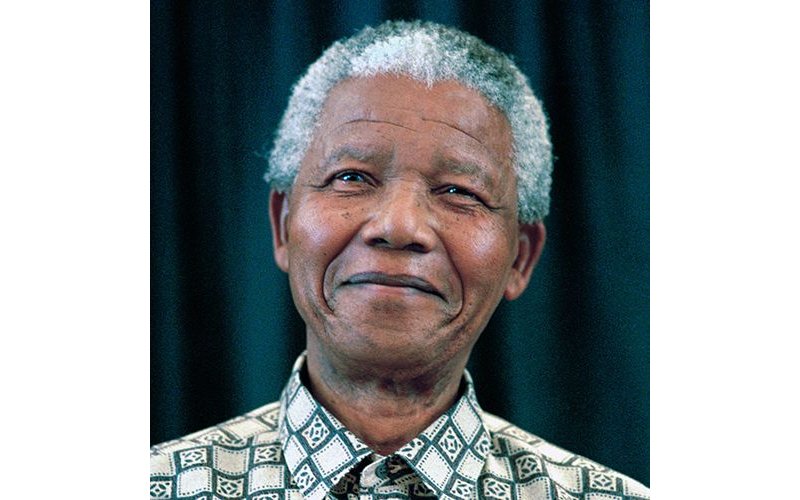
They include a set
of hearing aids, an ID card, gifts from world leaders and some of the first
democratic president's clothing, such as his statement "Madiba"
shirts.
His eldest daughter,
Makaziwe Mandela, is auctioning the items in the US.
But the South
African government says the items belong to the nation.
The South African
Heritage Resources Agency (Sahra), a government body charged with protecting
the country's history and culture, said it had filed an appeal to block the
sale.
The government
opposed the auction when it was first announced in 2021, arguing that some of
the items proposed for sale were national artefacts.
As a result, the
initial auction, which had been planned for 2022, was cancelled and a two-year
legal battle ensued.
Last month, the High
Court in Pretoria finally gave Ms Mandela the go-ahead to sell the items,
disputing the government's argument that they were of national heritage.
Mr Kodwa now says
the auction should not proceed as Sahra and the culture ministry last month
filed a request to appeal against the judgement citing "the unpermitted
export for exhibition or sale" of the items.
The auction is set
to begin on 22 January, but it is unclear if the government's appeal will halt
it.
The items have
already been listed for sale by the New York-based Guernsey's auction house.
It says the hearing aids, for example could fetch up to $20,000 (£16,000) and
one shirt might sell for up to $70,000.
Ms Mandela has not
responded to the government's latest opposition and neither have other members
of the Mandela family or the Nelson Mandela Foundation.
She had earlier said
that proceeds from the auction will go towards setting up a memorial garden in
Mandela's honour, near his burial site.
The planned auction
has caused a storm in South Africa with some people saying the government
should stop the sale of the "priceless" items.
But others believe
that the issue should be left to the discretion of Mandela's family.
Mandela died in 2013
at the age of 95. He led the African National Congress in its struggle against
apartheid - a system of legally enforced racism - and spent 27 years in prison.
He became South
Africa's first democratically elected president in 1994.
Comments:
Leave a Reply