

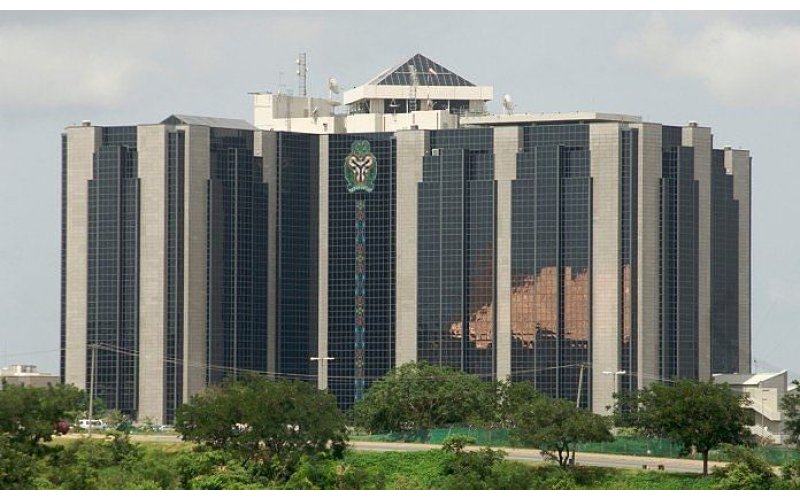
The Nigeria banking history can be categorized into three
phases before 1986. We had the Era of laissez - faire banking (1894- 1952),
secondly, the era of limited banking regulations (1952-1958), and the era of
intensive regulations. During the first phase, the banking system was virtually
unregulated with absence of appropriate banking legislations. Banking was
exclusively monopolized by the expatriate banks and merchants. Alleged
discrimination against Nigerians by these banks led to the establishment of
indigenous banks. However, in the absence of the banking laws, many of these
banks failed due to weak capital base, poor management and fraudulent
practices.
Specifically, we had the African banking corporation in 1892 by the colonial masters,
while the first indigenous bank was the defunct National bank of Nigeria.
The era of limited regulation was ushered in with the enactment of Nigeria
banking ordinance in 1952. For the first time, the ordinance stated the
standard and procedure for the conduct of banking business by prescribing the
mandatory minimum capital requirement for banks and introduced regulations to
check bank failures. Many of the indigenous banks failed because of their
inability to meet requirements most especially capital base.
The third era began with the enactment of the central bank of Nigeria act of
1958 which proposed a legal framework and backing to the establishment with
this power to promote and integrate the Nation’s financial system, the Central
bank was able to ensure the stability of the banking system through series of
regulatory measures. Another legislation was in 1968 companies Act which
required foreign based banks operating in Nigeria to be incorporated in
Nigeria. Also, the banking act of 1969 provided for the regulation and control
of the monetary and financial system. It made provision for the granting of
licenses of banks and regulating of the activities of licensed banks.
In 1986 came the structural adjustment programme (SAP), the previous banking
legislation was replaced with central bank of Nigeria decree No 24 and banks
and other financial institutions decree No 25 of 1991. With this decree, the
Central bank was solely responsible for the regulating banks and related
financial services in Nigeria. The central bank had powers to set guidelines
for any person or institution that engages in the provision of financial
services.
The Era of Structural adjustment programme (SAP) encouraged the proliferation
of banks, competitions and offering variety of services to the banking public.
More deposits were attracted as a result of mop - up of liquidity and
deregulation of interest rates. The improved rationalization led to enhanced computerization
of bank branches and deployment of bank staff. It made the system to be more
market oriented.
After this periods, so many fraudulent practices, insider abuse, computer aided
fraud were uncovered which led to the promulgation of failed bank tribunal by
the Abacha military administration. This period led to so many bank owners and
executives going to jail and their assets confiscated for stealing from
depositors funds in banks.
Post SAP era witnessed stiff competition amongst the banks and bank distress
was high which led to economic downtown as so many banks collapsed and couldn't
lend to the real sector to lift the economy. The number of banks between1986 -
1992 increased from 45 - 120. The concept of total quality of management was
introduced to re- orientate the way bank services is being delivered to
customers.
Completion was encouraged in the banking industry to showcase the area of
strength of each bank in line with their corporate visions. This period didn't
go without distress in the banking industry because many banks went under due
to weak capital as they were unable to recapitalize after the directors of the
banks had tampered with their shareholders funds through granting of loans
which is internal credit abuse and against corporate governance. Banks like
commerce bank, societal general bank and Savannah bank went underground.
In 2022, Professor Charles soludo, the then central bank governor thoroughly
diagnosed the economic situation of Nigeria and identified the boom and burst
cycle in the banking industry as responsible for the bad economy of Nigeria as
they were not well capitalized to fund big bankable proposals from big
corporations that can uplift the Nigeria fledging economy. He equally
identified that the banking industry has become a haven for financial fraud
because of access to public sector funds. Many banks compromised public sector
managers to get funds and in turn use the funds to trade in foreign exchange
market, invest in treasury bills and engage in direct importation. He equally
identified over #500b outside the banking industry as a result of the failure of
banks. The people lost confidence in the banks are were keeping their money at
homes.
Banks were not giving loans to the real sector of the economy to lift the
economy. They were only investing in treasury bills and engaging in round
tripping in the foreign exchange market which perplexed the economy of Nigeria.
Professor Charles soludo, the then central bank governor increased the capital
base of banks to #25 billion for any bank to operate in Nigeria, he was of the
opinion that no bank in Nigeria could finance a $500 million investments unlike
its counterparts in South Africa.
He opined that the new capitalization figure was just 0.25% of the GDP of
Nigeria compared to a bank in Japan with capitalization of 30% of GDP and that
with #25 billion , it was still less than 50% of the least capitalized bank in
Malaysia. Many banks that couldn't meet the new capital base merged with others
and that reduced the number of banks to 25 with minimum capital base of
#25billion. This awakened the confidence of Nigeria public in the banking
system.
The recapitalization of the banking industry saw improvement in the value of
shares and stocks of the banks traded on the floor of the Nigeria stock
exchange as their profits improved and the Nigeria economy started to blossom
as banks increased their lending to different sectors of the economy.
Comments:
Leave a Reply