

The World Health Organization has upgraded the public
health risk level of the Ebola outbreak in the Democratic Republic of the Congo
from **high** to **very high** at the national level, as infections continue to
spread across parts of the country.
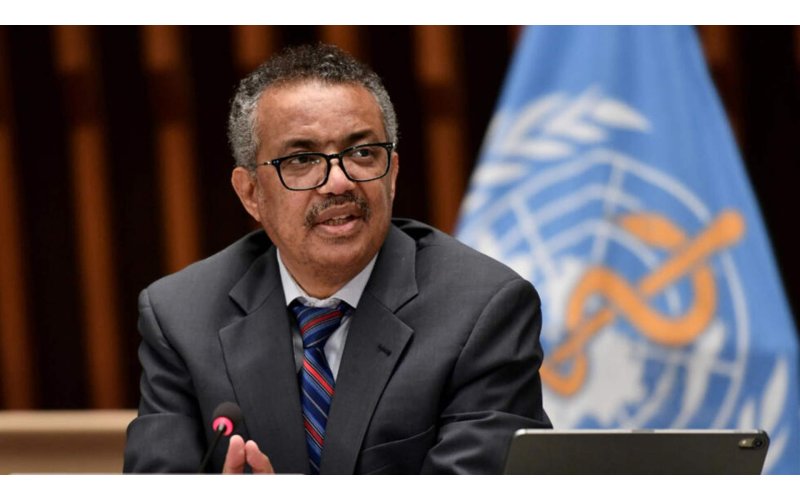
WHO Director-General Tedros Adhanom Ghebreyesus
announced the new risk assessment on Friday, May 22, warning that the outbreak
had worsened significantly.
According to him, the risk is now considered **very
high nationally**, **high regionally**, and **low globally**.
The WHO said the DRC currently has **82 confirmed
Ebola cases**, including **seven confirmed deaths**. However, Tedros warned
that the actual scale of the outbreak could be far greater, with nearly **750
suspected cases** and **177 suspected deaths** reported.
He added that the situation in neighbouring Uganda
remained stable, despite two confirmed cases linked to travellers from the DRC,
one of whom died.
The WHO chief also raised concern over insecurity and
violence in affected areas, saying the unrest was disrupting efforts to contain
the virus.
In Ituri province, the epicentre of the outbreak,
rioters reportedly attacked Rwampara hospital and set fire to tents used for
isolating Ebola patients.
The violence followed the death of a 24-year-old man
believed to be the son of a soldier. Hospital officials said the man’s family
demanded his body for burial, but health authorities refused because of strict
Ebola burial protocols.
Ebola spreads through bodily fluids and close physical
contact, making safe burial procedures critical in preventing further
transmission.
Health officials said the outbreak is linked to the
Bundibugyo strain of Ebola, for which there is currently no approved vaccine or
treatment. As a result, authorities are relying on isolation, rapid contact
tracing, and safe burial practices to control the spread.
Local civil society leader Jean Marie Ezadri warned
that traditional mourning customs were increasing the risk of infection, as
some residents continue to touch bodies, clothing, and personal belongings of
the deceased during funeral gatherings.
Mistrust has also complicated the response, with some
residents questioning whether Ebola is real. Several mourners protested the
refusal of authorities to release bodies to families, while soldiers reportedly
fired warning shots to disperse a crowd outside the hospital.
A nurse was also said to have been injured by stones
thrown during the unrest.
Later, healthcare workers in protective suits
transported three coffins to a cemetery under the protection of soldiers and
police.
Some residents expressed pain and frustration over not
being allowed to give their loved ones traditional farewells, while others
rejected the Ebola diagnosis and appealed for more government support.
The outbreak has again drawn attention to weak
healthcare infrastructure in rural parts of Ituri, where communities have long
faced poor access to medical services and repeated attacks by armed groups.
Hospital officials in Mongbwalu said public awareness
had improved in recent days, but warned that health facilities remained poorly
equipped. They also raised concern that suspected Ebola patients were being
kept close to other patients in hospital wards, increasing the risk of further
transmission.
Comments:
Leave a Reply