

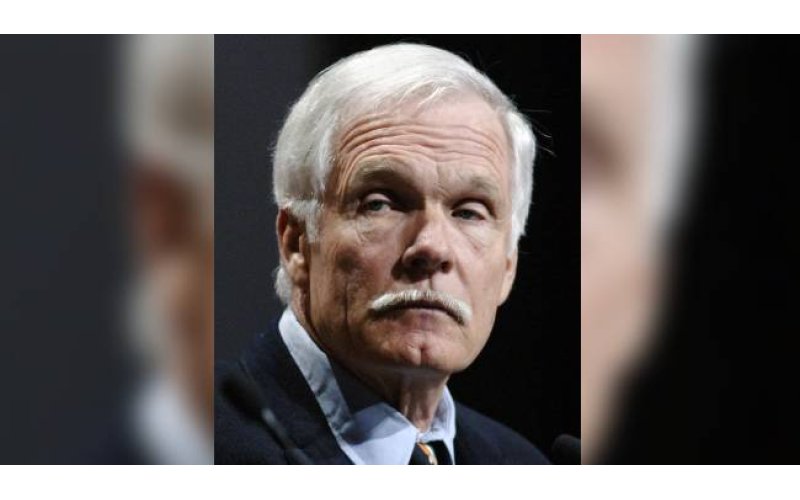
Ted Turner, the pioneering media entrepreneur who
transformed global television journalism through the creation of CNN, has died
after battling Lewy body dementia.
Turner, a businessman, philanthropist, and yachting
enthusiast, revolutionised the media industry with the launch of CNN, the world’s first
24-hour television news network.
The network gained international prominence during the
1990–91 Gulf War through its continuous live coverage, changing the way
audiences consumed breaking news around the world.
CNN later became known for its real-time reporting on
major global events, including the collapse of the Soviet Union and the
Tiananmen Square protests in China. Its decision to maintain reporters in
Baghdad during U.S. bombing operations further strengthened its reputation as a
leading source of global news coverage.
Reacting to his death, CNN Worldwide Chairman and CEO
Mark Thompson described Turner as a towering figure in journalism and
broadcasting.
“Ted is the giant on whose shoulders we stand,”
Thompson said, adding that Turner would “always be the presiding spirit of
CNN.”
Born Robert Edward Turner III in Cincinnati, Ohio, in
November 1938, Turner attended military school in Tennessee before enrolling at
Brown University, where he was later expelled before graduation.
He eventually took over his family’s struggling
advertising business after the death of his father, who died by suicide amid
financial difficulties.
Turner later expanded into media ownership, acquiring
radio stations before purchasing a struggling Atlanta television station in
1970. That station eventually became the foundation of the Turner Broadcasting
System and later the launchpad for CNN in 1980.
Beyond CNN, Turner built a massive media empire that
included networks such as TBS, TNT, Turner Classic Movies, and Cartoon Network.
His success also inspired the rise of other 24-hour news channels worldwide,
including Fox News and MSNBC.
Outside broadcasting, Turner was also known for his
philanthropic work and investments in sports franchises, leaving behind a
lasting legacy in global media and communications.
Comments:
Leave a Reply