

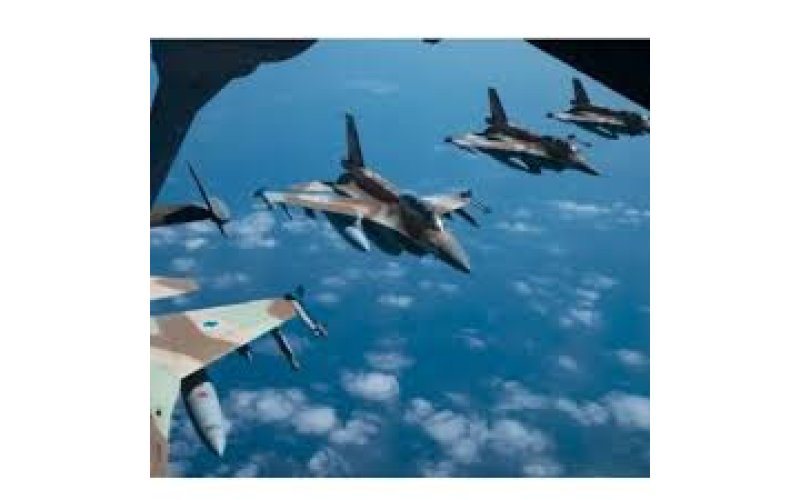
Austria has denied the United States permission to use
its airspace for military operations linked to the ongoing conflict with Iran,
reaffirming its long-standing policy of neutrality.
The Austrian defence ministry confirmed that American
fighter jets will not be allowed to conduct missions through its territory, in
line with national laws that prohibit involvement in foreign military actions.
Neutrality Laws Guide Decision
Austria’s position is rooted in its constitutional
neutrality, which prevents it from joining military alliances like NATO or
supporting offensive military operations by other countries.
Officials noted that while multiple requests have been
received from the U.S., each will continue to be assessed individually in
collaboration with the foreign ministry.
Domestic Opposition to Military
Involvement
Political leaders within Austria have also expressed
concerns about the potential consequences of the conflict.
Sven Hergovich, leader of the Social Democratic Party,
warned against allowing any military or logistical flights, arguing that deeper
involvement could threaten Europe’s economic and security stability.
Europe Divided Over US Military Actions
Austria’s decision reflects a broader split among
European nations over the conflict.
Countries such as Spain have similarly restricted U.S.
access to their airspace, while others—including France, Italy, and
Switzerland—have taken cautious or limited approaches.
In contrast, the United Kingdom has permitted certain
operations from bases like RAF Fairford and Diego Garcia, though reportedly for
defensive purposes.
US Criticism of Allies
U.S. President Donald Trump has criticised some allies
for what he sees as insufficient support, accusing them of not contributing
adequately to the ongoing military effort.
Rising Global Tensions
The differing stances among Western allies highlight
growing geopolitical tensions and uncertainty, as the conflict with Iran
continues to draw international attention and test diplomatic relationships.
Comments:
Leave a Reply