

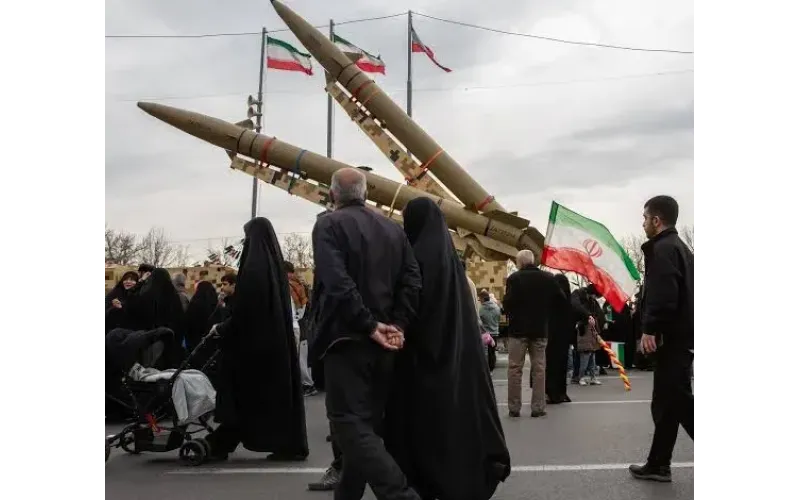
The Federal Government has issued a security advisory
to Nigerians living in the Middle East, particularly in Iran and neighbouring
Gulf countries, urging heightened vigilance amid escalating military tensions
in the region.
In a statement released on Saturday by the Ministry of
Foreign Affairs, authorities said they were closely monitoring developments
following reported military operations by Israel and the United States against
targets in Iran, as well as retaliatory actions affecting parts of the Gulf.
The government advised Nigerian citizens in affected
areas to remain cautious and avoid strategic or sensitive locations, including
military installations and government facilities, which could become targets of
further hostilities.
Nigerians were also encouraged to limit non-essential
travel and stay away from public gatherings or demonstrations until the
security situation improves. The statement emphasised the importance of
complying strictly with instructions from local security agencies, noting that
cooperation with authorities is vital for personal safety.
Diplomatic missions have been placed on alert,
including the Nigerian Embassy in Tehran and consular offices across Qatar,
Bahrain, Kuwait, the United Arab Emirates and Saudi Arabia. These missions are
expected to provide assistance to citizens and maintain effective communication
as events unfold. The government reiterated that the protection of Nigerians
abroad remains a top priority and pledged to continue assessing the evolving
situation while providing updates when necessary.
The advisory followed reports of airstrikes on Iranian
cities, with explosions and plumes of smoke seen rising in parts of the
capital. US officials described the strikes as efforts to neutralise security
threats, while Israeli authorities characterised them as preventive measures.
US President Donald Trump said the United States aimed
to eliminate what he described as imminent dangers and vowed to dismantle
missile infrastructure linked to Iran’s defence capabilities. Israeli officials
similarly framed the operations as defensive.
International reaction has remained cautious. The
African Union expressed concern about the potential consequences for regional
and global stability, urging restraint from all parties.
The European Union also weighed in, with European
Council President António Costa describing the developments as troubling and
confirming that European leaders were maintaining close contact with regional
partners.
Concluding its statement, the Federal Government
renewed its call for de-escalation and stressed the importance of dialogue and
diplomacy in resolving the crisis peacefully.
Comments:
Leave a Reply