

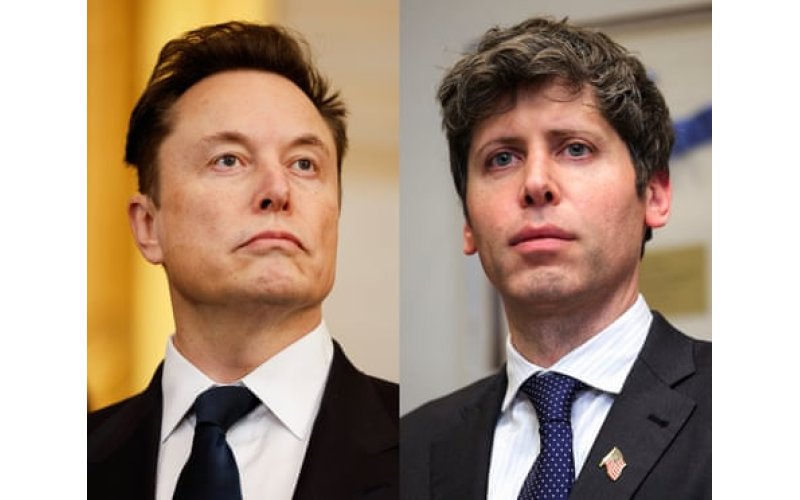
A U.S. jury in Oakland, California has ruled against
Elon Musk in his lawsuit against OpenAI, deciding the AI company was not liable
for allegedly straying from its mission to benefit humanity.
The unanimous verdict on Monday, May 18, came after
the jury deliberated for less than two hours. The court found that Musk filed
his case too late, meaning the lawsuit did not meet the legal timing
requirements.
After the ruling, Musk’s lawyer said he would reserve
the right to appeal, but the judge indicated it could be difficult because the
issue of whether the statute of limitations had run out was a factual matter
decided by the jury.
Musk originally sued in 2024, accusing OpenAI’s
leadership—CEO Sam Altman and President Greg Brockman—of manipulating him into
contributing $38 million and then changing course by adding a for-profit arm to
its original nonprofit structure. He also alleged OpenAI accepted tens of
billions of dollars from Microsoft and other investors. Musk described the
actions as “stealing a charity.”
OpenAI, founded by Altman, Musk, and others in 2015,
later set up a for-profit business in 2019 after Musk left the board in 2018.
The trial followed 11 days of testimony, during which
both sides attacked each other’s credibility. Musk argued OpenAI prioritized
investors and insiders over public benefit and did not focus enough on AI
safety. OpenAI countered that Musk was primarily motivated by money and that he
waited too long to claim OpenAI breached its founding agreement.
OpenAI is also preparing for a potential IPO, which
could value the company at around $1 trillion. Microsoft, which has invested
heavily in OpenAI, said it has spent more than $100 billion on its partnership.
The case centered on whether Musk’s claims were
legally timely—not on granting him relief for the underlying allegations.
Comments:
Leave a Reply