

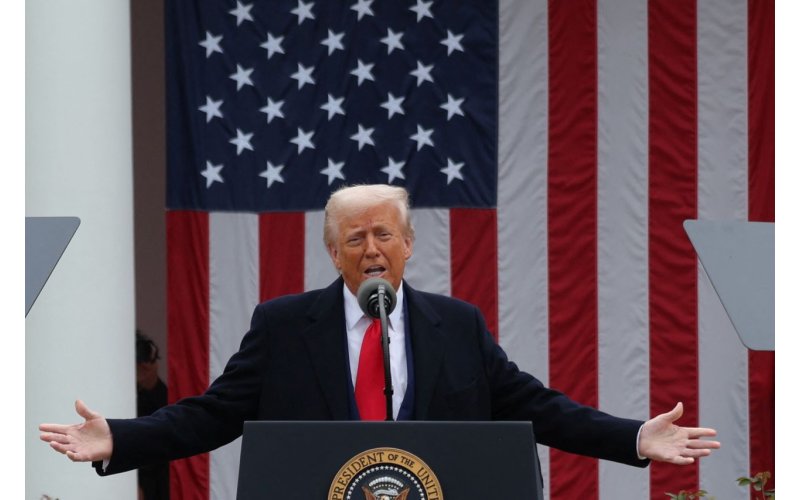
During President Donald Trump's administration, the
United States implemented a series of tariffs affecting various countries,
including those in Africa. Notably, Kenya, Ghana, and Ethiopia were among the
nations subjected to these new trade measures.
In February 2025, President Trump announced plans to
impose tariffs on countries that apply Value Added Tax (VAT) on imports,
arguing that such practices unfairly burden U.S. exports. Kenya, which imposes
a 16% VAT on imported goods, including those from the U.S., was directly
impacted by this policy. This move raised concerns about potential economic
repercussions for Kenya, particularly in sectors benefiting from the African
Growth and Opportunity Act (AGOA.
Ethiopia faced the threat of significant tariffs due
to its association with the BRICS nations. In early 2025, reports indicated
that President Trump threatened to impose 100% tariffs on BRICS countries,
including Ethiopia, if they took actions perceived as challenging the dominance
of the U.S. dollar in global trade. However, these tariffs were conditional and
contingent upon specific policy moves by Ethiopia or the BRICS bloc
Ghana, while not singled out in the available sources,
was part of the broader group of African nations affected by the U.S.'s
shifting trade policies under the Trump administration. The imposition of
tariffs and the potential expiration of AGOA in September 2025 posed challenges
for Ghana's exports to the U.S., particularly in sectors like textiles and
minerals that had previously benefited from duty-free access.
These developments underscored the complexities and
uncertainties faced by African nations in navigating international trade
relations amid changing U.S. policies.
Comments:
Leave a Reply