

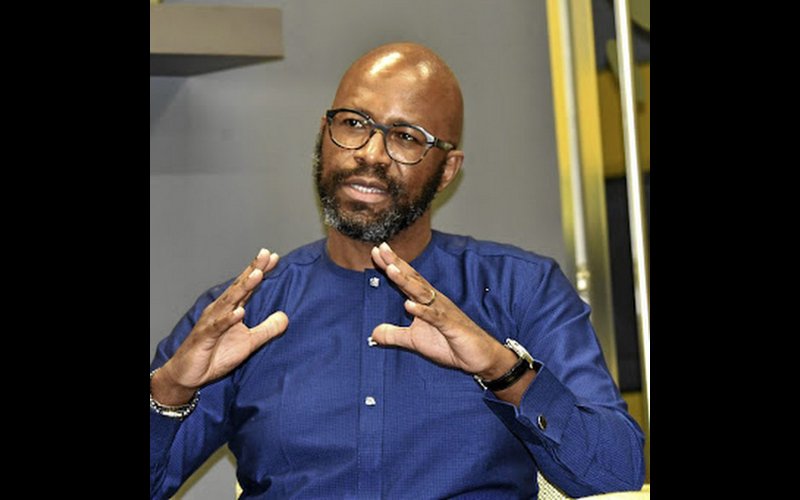
MTN Group President and CEO, Ralph Mupita, has raised
concerns over the potential negative impact of former U.S. President Donald
Trump’s tariff policies on Africa’s telecommunications sector, especially for
companies like MTN operating across the continent.
Speaking at a recent industry forum, Mupita cautioned
that the trade tensions between the United States and China — which escalated
during Trump’s administration — could indirectly affect telecom services in
Africa due to increased costs of network equipment and infrastructure.
Ripple Effect of U.S. Tariffs
Many African telecom operators, including MTN, rely
heavily on Chinese technology firms like Huawei and ZTE for affordable telecom
equipment and infrastructure development. However, U.S.-imposed tariffs and
restrictions on Chinese tech could lead to price hikes and supply chain
disruptions.
“Telecom infrastructure is globally
interconnected. Any disruption in the supply chain, especially when it affects
key partners like Huawei, will likely translate to higher operational costs for
African operators,” Mupita explained.
Potential Impact on African Consumers
Mupita warned that if these costs are passed down to
telecom operators, the ultimate burden may fall on African consumers in the
form of higher data and call rates, delayed network expansion projects, and
slower rollout of emerging technologies like 5G.
MTN’s Strategic Response
Despite the looming challenges, Mupita assured that
MTN is exploring alternative suppliers and local partnerships to mitigate the
potential risks. He also emphasized the need for African governments to promote
regional manufacturing of telecom equipment to reduce reliance on foreign
imports.
Call for Policy Consideration
Mupita urged African leaders to stay alert to the
global economic shifts and proactively negotiate trade terms that protect the
continent’s digital economy from external shocks.
“Africa’s digital future should not be a
casualty of global trade wars. We must focus on building resilient supply
chains within the continent,” he said.
Comments:
Leave a Reply