

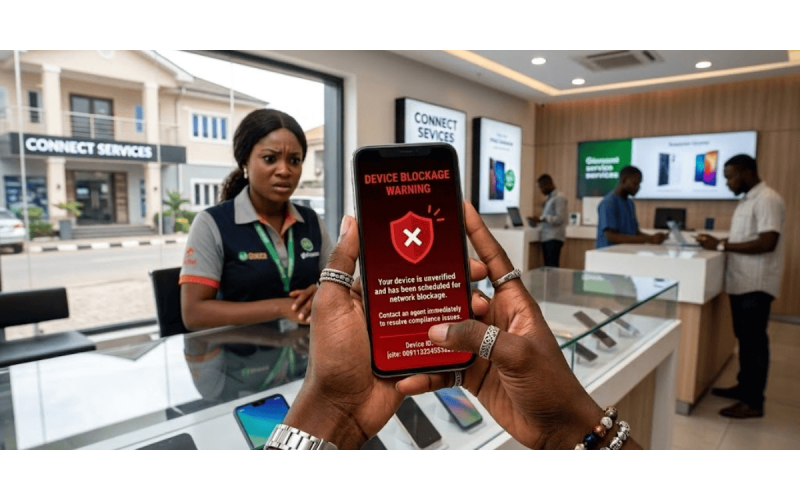
The Nigerian Communications Commission (NCC) has
started warning owners of unregistered phones that their devices will be cut
off from local cellular networks within 30 days.
The SMS alerts began going out on Saturday morning
under the sender ID "NCC-Checker". The message tells recipients that
their device model is not verified for use on Nigerian mobile networks, that
they have 30 cumulative days before disconnection, and that they should contact
their seller or dial 315.
The notices stem from the NCC's Device Management
System (DMS) enforcement framework, which requires the registration and
verification of all SIM-enabled devices on Nigerian networks, including
smartphones, tablets, POS terminals and routers. The process began in September
and is meant to ensure that devices imported, sold and used in the country meet
technical and regulatory standards. It is aimed mainly at removing fake,
substandard and illegally smuggled phones from the market. The NCC also wants
to track the unique IMEI number of every SIM-enabled device through an
automated Central Equipment Identity Register (CEIR), which would make devices
traceable when used for fraud.
How to check your phone
Dial *315# and follow the prompts. If the phone is
approved, a message will say that the device is NCC Type Approved and verified
for use on Nigerian mobile networks. If it is not, it could be blocked after 30
days. People who get the warning should ask their vendor or an authorised
retailer to confirm that the phone's IMEI has been cleared and registered with
the NCC. Anyone buying a new or used device is advised to verify its status
before paying.
What vendors must do
Vendors and retailers, including those selling
foreign-used devices, are expected to follow the framework to prevent their
customers' phones from being disconnected. They can work directly with original
equipment manufacturers (OEMs) and distributors to comply.
Traders push back
In September, the Association of Mobile Phones and
Allied Products Traders of Nigeria rejected the compulsory registration,
calling the registration fees another exploitative move. The group said it does
not oppose the DMS itself but objects to the payment requirement for newly
imported devices. Its president, Musa Haruna Mamza, warned that vendors may
recover the levy by raising the prices of phones, routers, POS machines and
tablets, which would indirectly affect consumers.
Comments:
Leave a Reply