

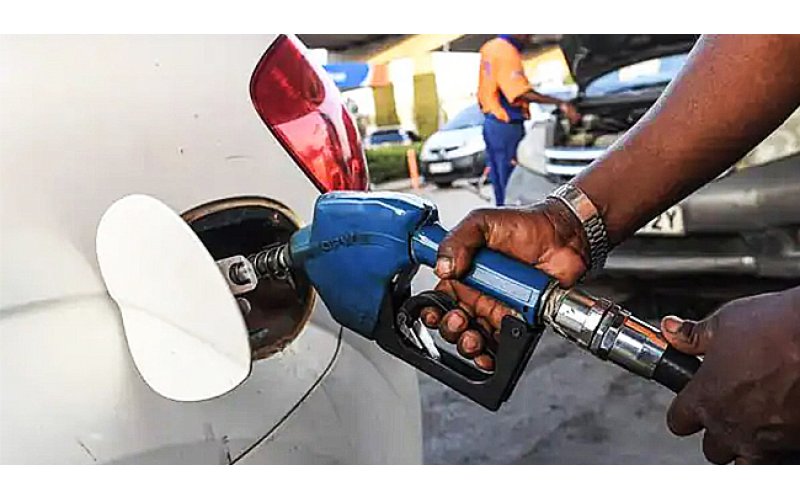
Paul Alaje, Chief Economist at SPM Professionals, has
warned that escalating crude oil prices driven by the conflict in the Middle
East could sharply increase the cost of petroleum products in Nigeria,
potentially pushing petrol (PMS) above N1,000 per litre by the end of April.
Alaje explained that rising crude prices directly
affect refined products such as diesel and aviation fuel, which in turn raise
production costs, inflation, and the cost of living for households across all
income levels.
“As crude oil goes up, the cost of PMS, diesel, and
Jet-A1 will also follow. About nine per cent has already been added to the cost
of PMS in Nigeria, and if the war is not properly managed, it might get to N1,000 plus for PMS,” he said.
Alaje noted that sustained fuel price increases would
affect manufacturers, pushing up the cost of goods across the short, medium,
and long term, while also impacting transport and aviation sectors.
Potential Gains for Nigeria
The economist highlighted that Nigeria could initially
benefit from higher oil prices through increased export earnings, a pattern
typical of oil-dependent economies during global supply shocks.
“The America–Israel war and Iran have far-reaching
effects. Crude oil prices are significantly going up. We might see oil prices
reach levels similar to President Jonathan’s era — more revenue for Nigeria —
because the world cannot suddenly replace all equipment that relies on
by-products of crude overnight,” Alaje explained.
However, he cautioned that domestic economic
pressures, particularly inflation driven by higher energy costs, could offset
the gains. Petrol prices have already risen in several parts of the country.
Escalating Middle East Conflict
The warning comes amid the intensification of
hostilities in the Middle East following failed nuclear negotiations in
February 2026. The US and Israel launched joint offensives — Operation Epic
Fury (U.S.) and Roaring Lion (Israel) — which resulted in the death of Iran’s
Supreme Leader Ayatollah Ali Khamenei and senior officials.
Iran retaliated with missile and drone strikes on
Israel and US bases across the Gulf, while Hezbollah attacked Israel from
Lebanon. Hundreds of civilian casualties have been reported, amid growing
humanitarian concerns and global protests.
This escalation follows previous tensions, including
the 2025 “Twelve-Day War,” the “Maximum Pressure 2.0” sanctions campaign, and
anti-regime protests in Iran that were violently suppressed.
The conflict has sent crude oil prices soaring,
highlighting Nigeria’s dual challenge of benefiting from higher export revenues
while managing domestic inflationary pressures.
Comments:
Leave a Reply