

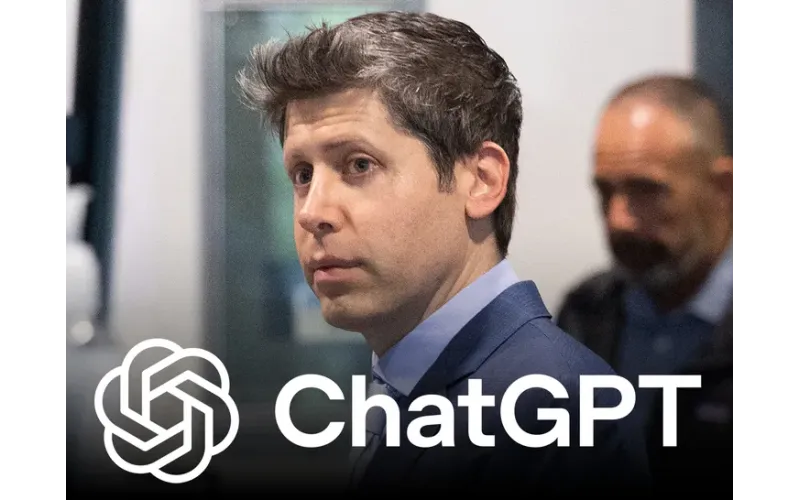
OpenAI CEO Sam Altman has acknowledged the potential
risks of relying on artificial intelligence for mental health support following
questions about the death of a woman who had lengthy conversations with ChatGPT
before her suicide.
In an interview with Vanity Fair, Altman was asked
about Sophie, the 29-year-old daughter of journalist Laura Reiley. According to
the interviewer, Sophie had used ChatGPT in a therapist-like role and had also
used the chatbot to edit suicide notes. The interviewer clarified that ChatGPT
did not explicitly encourage her to take her own life.
Altman described the issue as one of the most
difficult challenges facing companies developing artificial intelligence.
“These are some of the hardest questions that we
face,” Altman said, acknowledging the complexity surrounding AI systems being
used during serious mental health crises.
The OpenAI chief noted that some people may turn to AI
because they are uncomfortable seeking help from human therapists. However, he
also recognised that using AI in such situations can produce both positive and
harmful outcomes.
“Clearly people think there’s a version of this that
is good. There are also clearly versions of it that are bad,” Altman said.
He also addressed concerns about the privacy of
conversations between users and AI systems, particularly when those
conversations involve sensitive mental health issues.
Altman argued that users should not have their private
conversations shared with researchers without their permission, stressing the
importance of consent when dealing with personal information from people
experiencing difficult moments.
At the same time, he said OpenAI was interested in
working with the wider community to explore ways AI could contribute positively
to addressing the global mental health crisis.
Altman, however, did not provide specific details
during the interview about measures OpenAI would introduce to prevent harmful
outcomes or strengthen safeguards for people using ChatGPT for mental
health-related support.
The comments come amid growing debate over the role of
AI chatbots in emotional and mental health support, particularly as more people
use conversational AI for advice and companionship in situations traditionally
handled by trained professionals.
Comments:
Leave a Reply