Africa’s connectivity challenge is unique: around 38%
of its 1.4 billion people were online in 2024, compared to a 68% global
average, and over 200 million lack even basic 3G. Against this
backdrop, satellite, fibre, and mobile masts are each vying to bridge the
crucial “last-mile”—but no single technology is a silver bullet.
Satellite Internet: Reach vs. Cost
- GEO
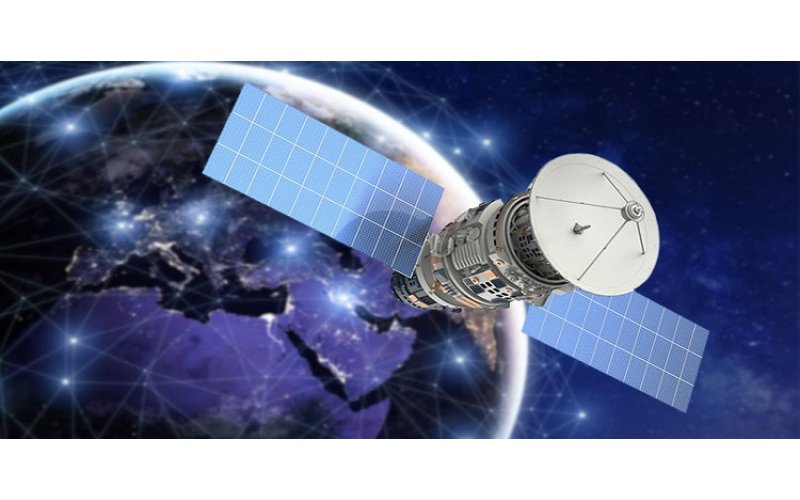
satellites offer extensive coverage in remote
regions but suffer from >600?ms latency and steep costs per
user, making them unsuitable for real-time use
- LEO
constellations (e.g., Starlink, Eutelsat, OneWeb)
deliver lower latency (??40–50?ms) and speeds up to 500?Mbps,
competing with urban fibre connectivity
- Starlink
launched in Nigeria and Mozambique in 2022, now operating across 24
African countries
- Partnerships
are accelerating: Airtel Africa–Starlink integration plans to
deploy LEO backhaul across nine countries
- Challenges:
expensive startup ($658 terminal + $100/month typical), signal disruption
in heavy rain, and regulatory hurdles in nations like Burkina Faso
Fibre: Speed and Reliability in Urban
Zones
- Africa
boasts over 2.1 million km of terrestrial fibre, with 1.3
million km active by mid-2024; major submarine networks (SEACOM,
EASSy, 2Africa, WACS) anchor coastal hubs
- FTTH
services are expanding: Nigeria’s MTN FiberX offers 50?Mbps uncapped for
?25,000/month; Algeria’s FTTH market saw 14× growth to 1 million subs
between 2020–23
- Deployment
hurdles: last-mile copper often degrades
performance, rural rollouts are economically challenging, and undersea
cables are vulnerable (e.g., SAT-3 damage once cut Nigeria’s capacity by
70%) †.
- Innovations
like aerial fibre and regulatory pushes for infrastructure
sharing are helping lower costs and broaden reach
Mobile Masts & Fixed Wireless Access
- Mobile
towers carrying 4G/5G handle a vast majority of Africa’s voice and
data traffic. Operators like MTN, Vodacom, and Airtel cover expansive
areas quickly.
- Example:
Bayobab in Uganda installed a 260?km fibre link to power rural 4G
masts, boosting regional connectivity.
- Fixed
Wireless Access (FWA) via 4G/5G is gaining traction
in North Africa.
- Limitations
include reliance on non-fibre backhaul (satellite/microwave), fair
usage data caps, and patchy coverage in very remote zones †.
A Combined Approach: Hybrid Solutions
Industry experts emphasize blending technologies:
- Guy
Zibi (Xalam Analytics): “Fibre remains king in urban
areas due to its unmatched capacity and reliability,” while LEO satellites
are ideal for remote regions
- Kendall
Osunrinde (Tizeti) champions
“coopetition”—collaboration across sectors to share infrastructure and cut
costs, especially in underserved communities.
- Michael
Joseph (ex?Safaricom) highlights satellite backup as
insurance against fibre disruptions, ensuring resilience during disasters
or sabotage.
Case Studies & Policy Insights
- TBI?×?Starlink
pilots in Rwanda and Malawi delivered vital
school and healthcare connectivity—used extensively during Cyclone Freddy
response
- In
Nigeria, NigComSat + USPF used GEO/MEO/VSAT to link rural schools
and clinics via satellite
- Phase3
Telecom + YahClick piloted satellite broadband in
Northern Nigeria, using aerial fibre to overcome infrastructure gaps
- MTN
(SA): exploring reselling LEO offerings and forging
partnerships to uplift rural internet access
- Policy:
Common recommendations from institutions like the EIB and ATU include regional
regulatory frameworks, public-private financing, infrastructure
sharing incentives, and rural network subsidies †.
Final Verdict: Diversity Trumps Monolith
|
Area Type
|
Best Solution
|
Role of Other Techs
|
|
Urban
|
Fibre (FTTH)
|
Complemented by masts for flexibility
|
|
Rural
|
LEO Satellites
|
Backup fibre/mobile where feasible
|
|
Sparse
|
Mobile Masts & FWA
|
Fibre for backhaul & satellites for resilience
|
Bottom line:
Africa’s last-mile challenge demands a hybrid toolkit, combining fibre's
backbone strength, satellites' reach, and mobile networks' flexibility. With
partnerships, innovative policies, and investment, a more connected continent
is within reach.


Comments:
Leave a Reply