

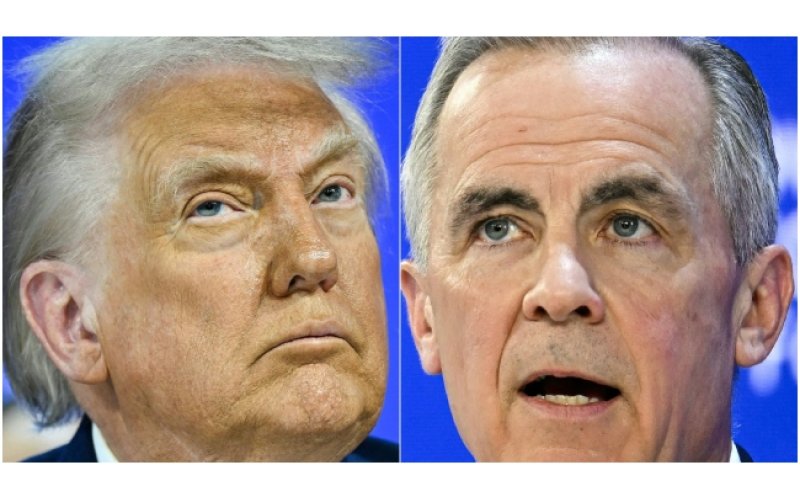
Trade tensions between the United States and Canada
have escalated sharply after negotiations between the two countries collapsed,
triggering new US tariffs on Canadian goods and retaliatory measures from
Ottawa.
The latest US tariffs impose a 50 per cent duty on
about $20 billion worth of Canadian products, representing roughly 5.5 per cent
of Canada’s exports to the United States.
Canada has responded by announcing matching tariffs on
selected American products, including goods from the US steel and dairy
industries. The new Canadian measures are scheduled to take effect on September
8.
US Transportation Secretary Sean Duffy warned that
Canada would suffer more than the United States from an escalating trade
conflict, pointing to the two countries’ significant economic relationship.
The United States currently accounts for approximately
70 per cent of Canadian exports. Duffy argued that Canada benefits far more
from bilateral trade than the US and predicted that Canadian Prime Minister
Mark Carney would eventually return to negotiations.
However, Carney has adopted a firm stance, accusing
Washington of attacking Canada and rejecting what he described as an
unacceptable trade agreement.
The Canadian prime minister said the United States had
made last-minute demands that would restrict Canada’s ability to negotiate
trade agreements with other countries. He also cited concerns over what he
described as threats to the French language and Quebec’s cultural identity.
Carney announced the retaliatory tariffs after walking
away from the negotiations, declaring that Canada would not accept terms it
considered unfair.
US President Donald Trump responded by criticising
Canada on social media and repeating his long-standing argument that the
country benefits from its economic relationship with the United States without
contributing enough in return.
The latest dispute marks another significant
deterioration in relations between the two long-standing allies since Trump
returned to the White House in January 2025.
Trump has repeatedly floated the idea of Canada
becoming the 51st US state, remarks that have further strained relations
between Washington and Ottawa.
Carney, who took office two months after Trump
returned to the presidency, has argued that the relationship between the two
countries has changed permanently and that Canada must reduce its economic
dependence on the United States.
The escalating trade dispute has already raised
concerns about economic growth, employment and businesses that depend heavily
on cross-border commerce.
Canada had been seeking relief from US tariffs on
automobiles, steel and aluminium, which officials say have contributed to job
losses and economic pressure.
US Trade Representative Jamieson Greer said Washington
had offered to reduce tariffs on Canadian steel, aluminium and automobiles and
remove a recently imposed duty on Canadian lumber. According to Greer, the
proposed package would have given Canada more favourable treatment than any
other US trading partner.
Despite the offer, no new negotiations have been
scheduled, leaving the future of the trade relationship uncertain as both
countries prepare for further economic confrontation.
Comments:
Leave a Reply