

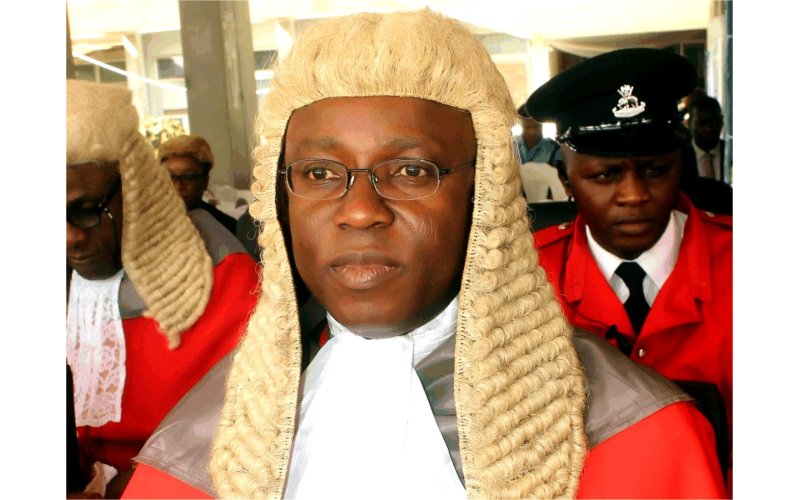
The Coalition for Justice Reform has come out in
support of the Chief Judge of Edo State, Justice Daniel Okungbowa, dismissing
allegations surrounding judicial appointments and claims of financial
misconduct as baseless, misleading, and politically motivated.
In a statement issued in Abuja on June 10, 2026, the
coalition rejected reports alleging that the Chief Judge had improperly
influenced judicial processes in the state. The group maintained that Justice
Okungbowa's actions have been guided solely by constitutional provisions and
established judicial procedures.
According to the coalition, criticisms directed at the
Chief Judge stem from his insistence on due process in matters relating to
appointments within the Edo State judiciary. It argued that portraying
compliance with legal procedures as bias represents a deliberate
misrepresentation of the facts.
The group explained that the ongoing process to
reconstitute the Edo State Customary Court of Appeal must comply with
constitutional requirements and judicial regulations. Following the
re-enactment of the law establishing the court, it said all serving High Court
judges in the state are eligible for consideration for appointment as President
of the Customary Court of Appeal.
The coalition noted that such appointments must pass
through the Judicial Service Commission and the National Judicial Council
before any final approval by the state governor.
“The Chief Judge is not interfering in the process; he
is simply ensuring that due process is followed,” the statement said, warning
that any attempt to bypass established procedures could violate the guidelines
of the National Judicial Council.
The group also expressed concern over reports
detailing discussions allegedly held during a meeting of judges of the Edo
State High Court. It described the circulation of such information on social
media as unusual and questioned the motives behind the disclosures.
According to the coalition, political interests
opposed to the strict application of due process may be behind the growing
controversy surrounding judicial appointments in the state.
Beyond the appointment dispute, the group addressed
allegations that the Economic and Financial Crimes Commission (EFCC) is
investigating Justice Okungbowa over claims that ?6 billion allocated to the
Edo State Judiciary was diverted.
The allegations, widely circulated online, claim that
funds intended for judicial projects were misappropriated and that
investigators are examining the Chief Judge’s financial activities.
However, the coalition pointed to budget records that
appear to contradict the claims. According to findings cited by the group, the
approved 2026 budget for the Edo State Judiciary is approximately ?300 million,
significantly lower than the ?6 billion figure referenced in the allegations.
The coalition further explained that while the
judiciary reportedly proposed a budget of about ?6 billion for 2026, the amount
was substantially reduced during the legislative appropriation process, leaving
the judiciary with far less funding than initially requested.
Sources familiar with the matter reportedly indicated
that Justice Okungbowa raised concerns about the reduction and its impact on
court operations, after which assurances were given that additional funding
could be considered through a supplementary budget.
Supporters of the Chief Judge argue that a proposed
budget should not be confused with funds that have been approved, released, or
placed under the control of an institution. They contend that allegations of
diversion remain unsupported unless evidence shows that the funds in question
were actually disbursed.
While no official findings have been released by the
EFCC regarding the matter, the controversy has generated debate within legal
circles. Some senior lawyers have cautioned against unverified allegations that
could damage public trust in the judiciary, while others maintain that all
claims involving public officials should be thoroughly investigated.
Legal observers note that judicial independence and
accountability can coexist, emphasizing that allegations of misconduct should
be determined through credible investigations rather than speculation or
political pressure.
As discussions continue, the Coalition for Justice
Reform insists that the allegations against Justice Okungbowa contain
significant inconsistencies and should not be accepted without verifiable
evidence. The group maintains that the broader issues at stake include respect
for due process, judicial independence, and the protection of the judiciary
from undue political influence.
Comments:
Leave a Reply