

The Nigerian football community was plunged into
mourning with the sudden passing of Dapo Sotuminu, a veteran journalist, former
Head of Media for the Nigeria Women’s Football League (NWFL), and an unwavering
advocate for the growth of women’s football in the country.
Among the countless tributes pouring in from across
the nation, one of the most heartfelt came from Aisha Falode, an Executive
Board Member of the Nigeria Football Federation (NFF) and a prominent figure in
women’s football.
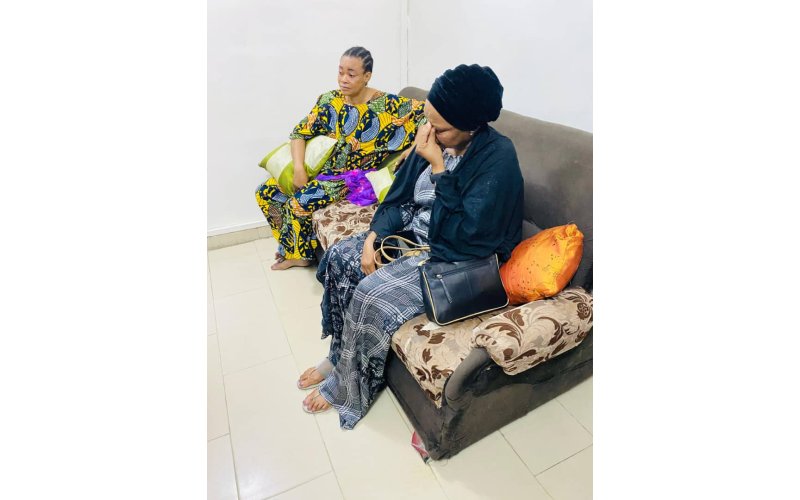
Falode, who served as the Chairperson of the NWFL,
paid a condolence visit to the bereaved family, expressing her profound grief
and admiration for Sotuminu’s life and legacy. Speaking during her visit, she
described Sotuminu as “a consummate professional whose contributions to the
development of women’s football in Nigeria cannot be overstated.”
Dapo Sotuminu’s career spanned decades of dedication
to sports journalism, but it was his fervent passion for women’s football that
set him apart. As the Head of NWFL Media, he brought a unique energy to the
promotion of the women’s game, ensuring that its stories were told with depth,
insight, and a sense of purpose. His vision for the sport went beyond mere
reporting; he aimed to create a platform where women footballers could shine
and be celebrated as role models.
Falode recounted how Sotuminu played an instrumental
role in amplifying the voices of women in football. “He didn’t just cover
matches; he told stories, championed causes, and fought battles to ensure
women’s football in Nigeria received the respect and attention it deserved. His
work gave visibility to countless players, coaches, and administrators,” she
said, visibly emotional.
Sotuminu’s dedication left an indelible mark on
Nigerian football. His writings, which often delved deep into the challenges
and triumphs of women’s football, resonated far and wide, inspiring
stakeholders to take the sport more seriously. Whether it was covering
grassroots tournaments, engaging with international competitions, or advocating
for better funding and infrastructure.
“Dapo was more than a journalist; he was an ally and a
voice for the voiceless in women’s sports. His absence is a loss not just to
journalism but to the entire sporting ecosystem,” Falode remarked.
As the football fraternity continues to grapple with
the reality of his passing, tributes have poured in from players, journalists,
and football administrators who knew and worked with Sotuminu. Many have shared
anecdotes of his kindness, his encouragement for young talents, and his
relentless pursuit of excellence in storytelling.
His loss has left a void that will be difficult to
fill. “He was a trailblazer, and his contributions will forever be etched in
the annals of Nigerian sports history,” Falode added.
Though he is gone, Dapo Sotuminu’s legacy endures in
the countless lives he touched and the transformative impact he had on women’s
football. His work has paved the way for future generations of journalists and
advocates to build on his foundation, ensuring that women’s football in Nigeria
continues to thrive.
As the football community mourns his loss, they also
celebrate a life well-lived, a life dedicated to advancing the beautiful game
and creating opportunities for others. In Falode’s words, “Dapo may no longer
be with us, but his spirit, his passion, and his vision will forever guide us.”
Comments:
Leave a Reply