

Nigeria, the most populous Black nation in the world,
has long been a powerhouse in African football.
Recent events—such as the sidelining of the U-17 team
and the controversial qualification antics in club and national
tournaments—have raised concerns about the country's diminishing influence in
continental football.
To restore Nigeria’s status and ensure fair
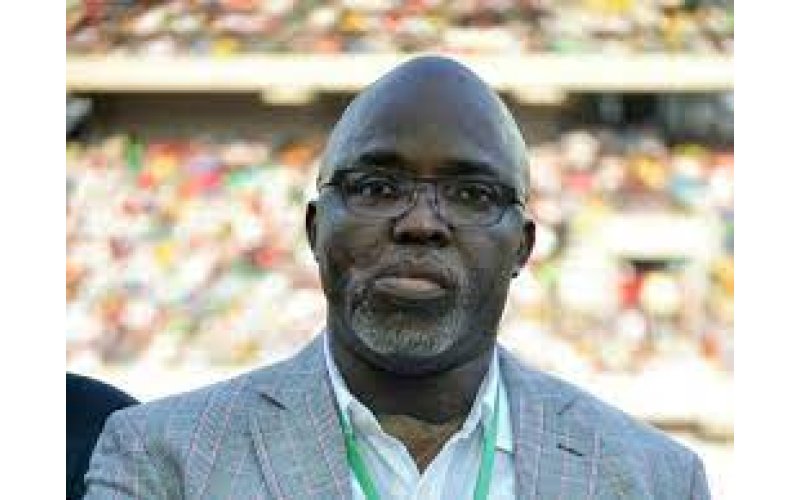
representation, stakeholders must rally behind Amaju Pinnick as he seeks
re-election to the FIFA Council.
African football is a complex and often politically
charged environment. Decisions made at the continental level impact the
opportunities available to Nigerian clubs and national teams. Pinnick, as a
former NFF President and an experienced football administrator, has become a
significant voice in FIFA, advocating for fair play and better opportunities
for African teams.
His re-election would ensure that Nigeria remains
influential in shaping policies that affect African football.
The upcoming FIFA Council elections on March 12 in
Cairo will be one of the most competitive in recent history. Pinnick will
contest against nine other candidates, including heavyweights like Egypt’s Hany
Abou Rida and Morocco’s Fouzi Lekjaa, both seeking re-election. Other
contenders include Yahia Ahmed (Mauritania), Souleiman Waberi (Djibouti),
Idriss Dialli (Côte d'Ivoire), Mathurin Chakus (Benin Republic), Augustine
Senghor (Senegal), Djibrilla Pele Hamidou (Niger Republic), and Andrew Kamanga
(Zambia).
The removal of language blocks in voting, a resolution
passed at the 46th CAF General Assembly in Addis Ababa, Ethiopia, has made the
election more competitive.
While this
change promotes fairness, it also increases the challenge for Pinnick, as he
must now secure votes based purely on merit and diplomatic negotiations rather
than regional language affiliations.
To succeed, Pinnick requires the backing of Nigerian
football stakeholders—government officials, club administrators, and football
enthusiasts. Nigeria must actively lobby within CAF and FIFA circles to build
alliances and secure votes. The influence of key figures like CAF President
Patrice Motsepe, a South African billionaire businessman, further highlights
the need for strategic political maneuvering.
Failure to secure Pinnick’s re-election could weaken
Nigeria’s voice in FIFA, leaving the country vulnerable to unfavorable
decisions, biased officiating, and limited opportunities in continental
competitions. Strong representation at the highest levels of football
governance is essential for Nigeria’s growth and development in the sport.
Comments:
Leave a Reply