

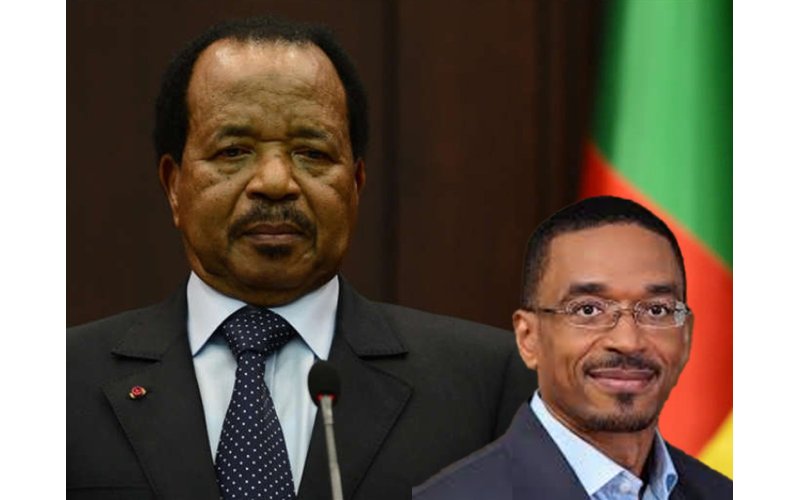
President Paul Biya has reportedly appointed his son,
Franck Emmanuel Biya, to key positions within the country’s leadership and
security structure, sparking fresh debate over governance and succession.
According to an official decree dated April 4, 2026,
Franck Biya has been named Vice President of Cameroon, Head of the Armed
Forces, and Minister Delegate at the Ministry of Defence. The appointments
effectively place him at the centre of both political authority and military
command in the country.
The decree, referencing constitutional and defence
provisions, stated that the appointments were made in response to “service
requirements” and directed that the decision be implemented immediately through
expedited publication in the Official Gazette.
The development comes shortly after President Biya,
aged 92, began his eighth term in office following a highly contested election.
His victory, which saw him secure 54 percent of the vote, was challenged by
opposition candidate Issa Tchiroma Bakary, who rejected the results and alleged
electoral irregularities.
Despite the opposition’s claims, authorities
maintained that the election process was credible, while the Constitutional
Council dismissed petitions contesting the outcome, citing insufficient
evidence and jurisdictional limitations.
President Biya, who has been in power since 1982 after
succeeding Ahmadou Ahidjo, is now facing renewed criticism from political
opponents and observers. Critics argue that the latest appointments may further
consolidate power within his family and inner circle, particularly given the
strategic importance of the roles assigned to his son.
The move has intensified discussions around political
succession, governance, and the balance of power in Cameroon, as the country
navigates both internal political tensions and broader regional challenges.
Comments:
Leave a Reply