

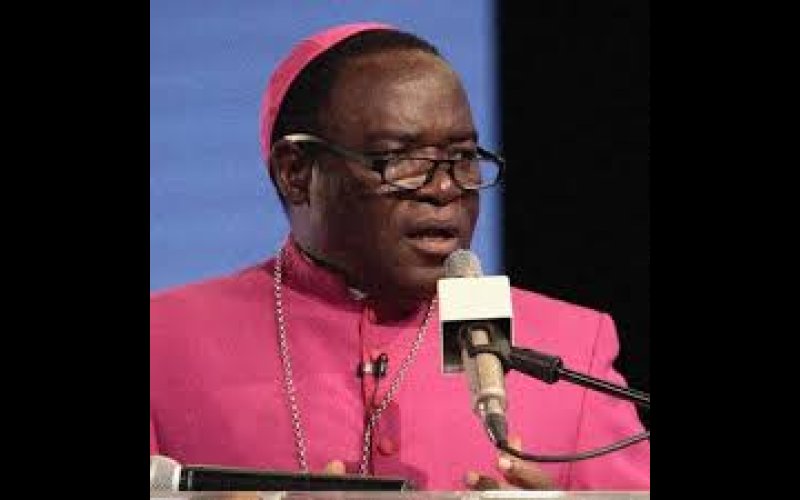
The Bishop of the Sokoto Diocese, Matthew Hassan Kukah,
has called on Nigerian leaders to urgently address the widespread suffering in
the country while urging citizens to remain hopeful despite the nation’s
challenges.
Bishop Kukah made the appeal in his 2025 Christmas
message, issued on Thursday, where he acknowledged the harsh realities
confronting Nigerians but encouraged perseverance and faith.
“In the midst of the darkness of our circumstances, we
strongly urge our leaders to strengthen their resolve towards ameliorating the
sufferings that challenge our faith,” he said.
“We may not have enough to feed the greed of our elite, but there is enough to
feed our people.”
The cleric expressed deep concern over the continued
abduction of students from schools in different parts of the country,
describing the children as Nigeria’s future and calling for renewed prayers and
hope.
“These children are our future. As we think of the
child Jesus at Christmas, we can only continue in steadfast prayer and hope,”
Kukah said, referencing biblical assurances of redemption.
He also lamented the persistence of banditry, armed
robbery and kidnapping, urging Nigerians to pray for victims and their families
while committing themselves to building a more just and peaceful society.
“We owe them our commitment to work for a better
tomorrow where God’s Kingdom of peace and justice will reign among us,” he
added.
While acknowledging the gravity of Nigeria’s security
and socio-economic challenges, Bishop Kukah stressed that the country must not
surrender to despair or outsource solutions to its problems.
“Nigeria cannot outsource solutions to its challenges.
We must unite in confronting them,” he said, urging citizens to embrace
reconciliation, peace and love as core Christian values.
He concluded by reminding believers that Christ
remains the cornerstone of the Christian faith, encouraging Nigerians not to
grow weary or despondent, even in difficult times.
According to Kukah, those perpetrating violence across
the country are not outsiders but products of Nigeria’s developmental
shortcomings, regardless of the labels attached to them.
Comments:
Leave a Reply