

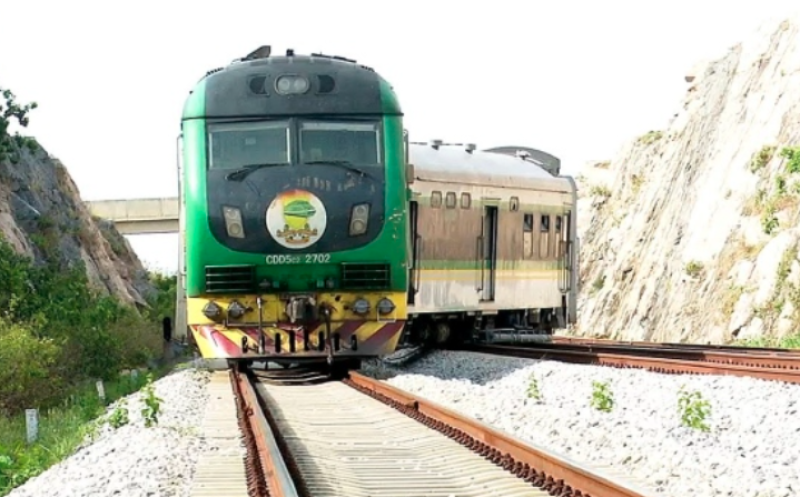
The Managing Director of the Nigerian Railway
Corporation, Dr. Kayode Opeifa, has stressed the urgent need to strengthen rail
connections to Nigeria’s ports as part of efforts to improve the country’s
freight and logistics system.
Speaking at the Quarterly Stakeholders Engagement
organised by the Nigerian Ports Consultative Council, Opeifa noted that
effective rail-port integration is essential for enhancing efficiency and
reducing bottlenecks in cargo movement across the country.
According to a statement issued by the NRC’s Chief
Public Relations Officer, Callistus Unyimadu, the initiative has gained federal
backing, with the Secretary to the Government of the Federation already setting
up a committee to oversee its implementation.
Opeifa explained that while Nigeria has made progress
in developing deep-sea ports and reforming the maritime sector, the absence of
reliable rail connectivity continues to limit the full benefits of these
investments.
He acknowledged existing collaboration between the NRC
and port authorities but pointed out that more work is needed to optimise cargo
movement, particularly within Lagos and along the eastern port corridor.
The NRC boss highlighted ongoing challenges affecting
seamless transportation of goods between ports via rail, calling for targeted
interventions to improve efficiency and minimise delays.
He emphasised that a shift toward rail-based freight
transportation is key to achieving a more cost-effective and dependable
logistics system, capable of supporting economic growth.
Providing updates on infrastructure development,
Opeifa revealed that the Kaduna–Kano rail project is nearing completion. He
also outlined several federal government plans aimed at linking major rail
lines directly to key ports across the country.
These include extending the Lagos–Ibadan standard
gauge rail line to Apapa and Tin Can Island ports, connecting the Warri-Itakpe
rail line to Warri Port, and linking the eastern narrow gauge network to Port
Harcourt Port at Onne.
He further disclosed plans to connect the Lagos–Kano
rail corridor to Baro Port, as well as a proposed rail line for the Lekki Deep
Sea Port, which is expected to pass through Ijebu-Ode and Sagamu before linking
up with the Lagos–Ibadan line.
Opeifa stressed that integrating all ports with the
rail network would significantly improve cargo evacuation, reduce congestion,
and boost trade across the country.
He also called on stakeholders, including transport
operators, to support the initiative, noting that road transport will still
play a complementary role in moving goods between farms, freight yards, and
final destinations.
In addition, he highlighted the need to expand freight
yard infrastructure across both narrow and standard gauge lines to increase
cargo handling capacity and enhance overall efficiency.
The proposed reforms, he said, represent a strategic
step toward building a more integrated transport system that can support
Nigeria’s economic development.
Comments:
Leave a Reply