

The Federal Government has called on the National
Council on Education (NCE), to scrap Junior Secondary School (JSS) and
Senior Secondary Schools and adopt a compulsory 12 years of uninterrupted basic
education.
If it scales through, this would abolish the
6-3-3-4 education system and bring in place, 12-4 model of education in
the country.
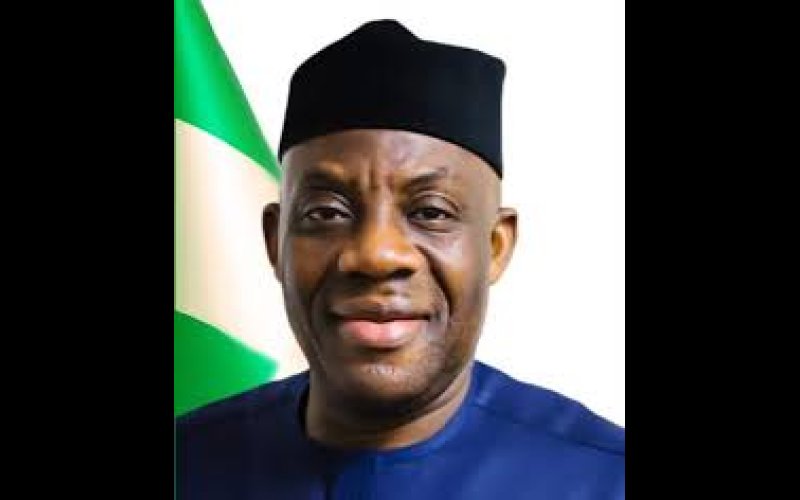
The Minister of Education, Dr Tunji Alausa, who made
the call at the 2025 extraordinary National Council on Education meeting, also
sought the approval of the NCE to officially adopt 16 years as minimum entry
age requirement into the country’s tertiary institutions.
Alausa noted that besides being inline with global
best practices, by subsuming secondary education into basic education, students
would benefit from uninterrupted learning up to the age of 16, after
which they could aspire for higher education.
According to him the new policy would also reduce
dropout rates by eliminating financial and systemic barriers that currently
prevent students from completing secondary education.
He said: “Extending basic education to 12 years will
ensure a standardized curriculum that is uniformly implemented across the
nation. This will also facilitate early exposure to vocational and
entrepreneurial skills, preparing students for both higher education and
employment.
“Many developed nations have implemented similar
systems where basic education spans 12 years, ensuring that students acquire
foundational knowledge before specializing at tertiary levels. This reform also
aligns Nigeria’s education system with international standards, fostering
better educational outcomes and global competitiveness.
“Educated youth contribute significantly to national
development. When students receive an extended period of compulsory education,
they are better equipped to join the workforce with relevant skills. This
reform will also reduce child labor and other social vices resulting from
premature school dropouts”.
The minister highlighted the implementation strategies
to successfully integrate secondary education into basic education to include:
policy reforms, infrastructure expansion, teacher training and recruitment,
funding and partnerships, curriculum enhancement.
“Incorporating technical, vocational, and digital
literacy education to equip students with 21st-century skills from their early
stage of education.
“The future of Nigeria’s education system depends on
bold and strategic decisions. There is need for radical change in our
educational system if it will remain a veritable tool for socio-economic growth
and development. Primary and secondary school management is the exclusive
preserve of the sub national governments while the Federal Government provides
technical and funding support.
“Everyone’s attention need to be drawn of the fact
that we do have a problem in the sector and we need to understand the nature of
the problem and consider our capacity and ability to effect the necessary
changes based on the magnitude of what needs to be done and then devise a
structure that will ensure sustainability of improving our educational system.
“Subsuming secondary education into basic education to
span 12 years is a necessary step towards creating a more inclusive, equitable,
and globally competitive system. It is time for us to embrace this reform to
secure the future of our children and ultimately, the prosperity of our
nation”.
Comments:
Leave a Reply