

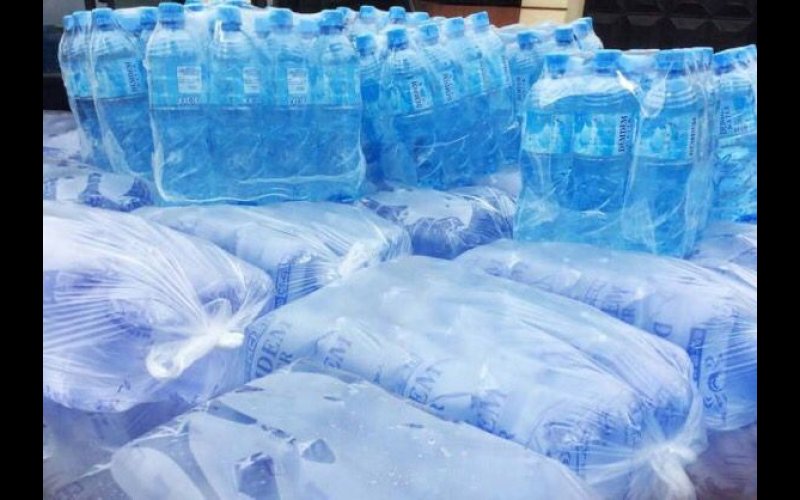
The Lagos State Government has announced plans
to prohibit the use of single-use plastics, including PET bottles and sachet
water, starting in January 2025. This follows a ban on styrofoam in government
establishments and throughout the city, implemented in January 2024, in
response to the growing issue of plastic waste and its detrimental impact on
the environment.
Stakeholders in the sector are advocating for
a phased implementation of the ban, rather than an immediate enforcement, to
ensure effective compliance and to consider the current economic challenges
faced by residents.
The Commissioner for the Environment and Water
Resources, Tokunbo Wahab, shared this information during a workshop aimed at
raising awareness about the styrofoam and single-use plastics ban. He was
represented by the Special Adviser on The Environment, Olakunle Rotimi-Akodu.
Wahab explained that the upcoming ban is part
of the state's efforts to establish policy guidelines for plastic usage, aimed
at promoting sustainable waste management and ensuring a healthy environment.
He noted that this policy would be supported by appropriate legal frameworks
through enabling legislation.
Currently, Lagos generates about 13,000 tonnes
of waste each month, with plastics accounting for over 60 percent of that
total. Wahab pointed out that plastic waste significantly contributes to solid
waste in the city, with items like PET bottles, styrofoam, and nylon sachets
being particularly prevalent.
He highlighted that this situation poses
serious environmental challenges, including ecosystem degradation, drainage
blockages, flooding, and marine debris, all of which have considerable
socio-economic implications for the state.
Effective plastic waste management is
essential for achieving the state government's transformational goals outlined
in the Lagos State Development Plan (LSDP) and Governor Babajide Sanwo-Olu's
THEMES Plus Agenda. Wahab emphasized that sustainable management of plastic
waste could turn waste into a resource, improve livelihoods in the
waste-picking sector, and alleviate pressure on landfills.
Mosaku Ololade, chairperson of the Association
for Table Water Producers of Nigeria (ATWAP) in Lagos, expressed the
association's commitment to collaborating with the government on the planned
ban. With over 2,000 members and more than 10,000 workers, they urged the
government to implement the ban gradually to give members sufficient time to
comply, noting that many preparations are necessary before total enforcement
can occur.
Comments:
Leave a Reply