

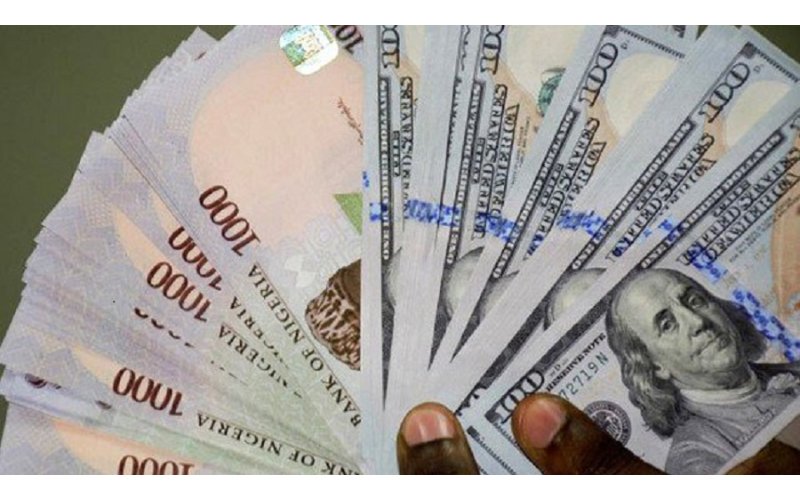
The naira closed at N1,550/$ on the parallel
market on Sunday, unchanged from the previous session, while trading at N1,536.99/$
on the Nigerian Foreign Exchange Market (NFEM). This narrowed the gap between
official and parallel market rates from N15 to just N3.01.
The local currency’s resilience has been underpinned
by stronger fundamentals, including an uptick in Nigeria’s foreign reserves,
which Central Bank Governor Olayemi Cardoso said are now at a four-year high —
enough to cover up to ten months of imports. Analysts attribute the stability
to ongoing foreign exchange reforms, fiscal adjustments, and policies
encouraging domestic production, which have eased pressure on dollar demand and
moderated inflation.
Cardoso confirmed that the CBN will sustain its FX
reforms, while the Federal Government is expected to step up efforts to boost
foreign exchange inflows from oil, gas, and non-oil exports.
Global Dollar Dynamics
In global markets, the U.S. dollar index hovered around 98.40, paring
earlier losses but maintaining firm support amid geopolitical and monetary
policy uncertainty. Yields on U.S. Treasuries — 3.7% on both the 2-year and
10-year notes — continue to attract foreign capital, supporting demand for the
greenback.
Political developments added a layer of tension after
U.S. President Donald Trump announced plans to dismiss Fed Governor Lisa Cook,
raising concerns about central bank independence. Cook insisted she would
remain in office. Markets also weighed remarks from Fed Chair Jerome Powell at
Jackson Hole, where he suggested that the central bank had ended its
rate-hiking cycle and was preparing to shift toward gradual rate cuts.
Investors are now awaiting key U.S. data — Core PCE
inflation and GDP figures — which could guide the Fed’s timing. A softer
PCE reading may accelerate expectations of a September cut, putting downward
pressure on the dollar. Conversely, strong labor or growth data may prompt the
Fed to delay further easing, helping the greenback recover.
Comments:
Leave a Reply