

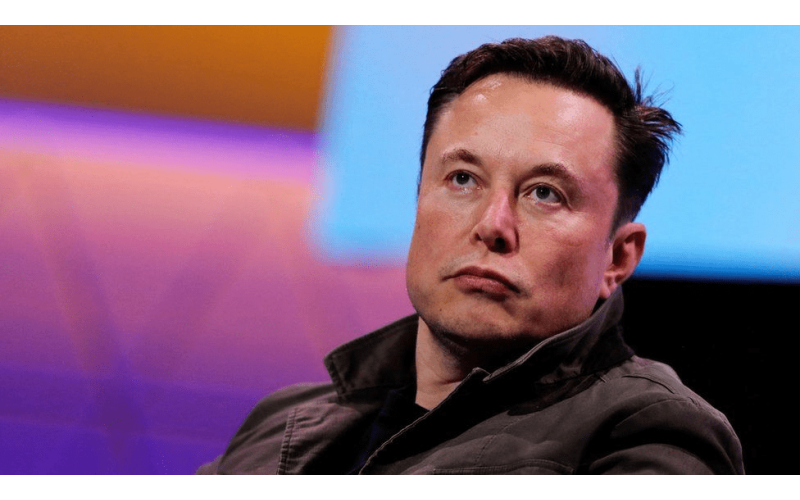
Elon Musk’s artificial
intelligence startup, xAI, has filed a federal lawsuit in Texas against Apple
Inc. and OpenAI, accusing the two companies of conspiring to stifle
competition in the fast-growing AI market. The suit, which seeks billions of
dollars in damages, raises fresh antitrust concerns over Apple’s
integration of OpenAI’s ChatGPT into its operating systems.
According to the filing,
Apple and OpenAI have entered into exclusive arrangements that “lock up
markets” and prevent innovators such as Musk’s X platform and xAI’s
Grok chatbot from competing fairly.
“If not for its exclusive
deal with OpenAI, Apple would have no reason to refrain from more prominently
featuring the X app and the Grok app in its App Store,” the lawsuit alleges.
Musk’s Position
Musk, who acquired X
(formerly Twitter) in 2022 for $33 billion to bolster xAI’s data and
training capabilities, has repeatedly criticized Apple for giving preferential
treatment to OpenAI.
On his X platform, Musk
wrote:
“A million reviews with 4.9
average for @Grok and still Apple refuses to mention Grok on any lists.”
Earlier this month, Musk
accused Apple of manipulating App Store rankings to ensure OpenAI’s dominance,
calling it an “unequivocal antitrust violation.”
Responses and Counterpoints
OpenAI dismissed Musk’s claims, calling the lawsuit “part of his ongoing
pattern of harassment.” Apple has yet to issue an official response.
Legal experts say xAI’s case
could hinge on Apple’s dominant position in the smartphone market. By
embedding ChatGPT into iOS, iPadOS, and macOS, Musk argues, Apple is
effectively tying hardware sales to one AI provider.
However, Apple could defend
its partnership as a legitimate business decision in a competitive
landscape, with arguments that the integration was driven by security and
performance considerations rather than anticompetitive intent.
Herbert Hovenkamp, a
University of Pennsylvania antitrust scholar, noted that the case could force
U.S. courts to address a threshold issue: whether AI represents a distinct
market under antitrust law.
Broader Context
What’s Next
The case could provide the
first major test in U.S. courts of how regulators and judges define the
boundaries of the AI market — and whether Apple’s control over its ecosystem
unfairly disadvantages rivals.
Comments:
Leave a Reply