

Meta Introduces Standalone AI App, Takes
on ChatGPT and Gemini
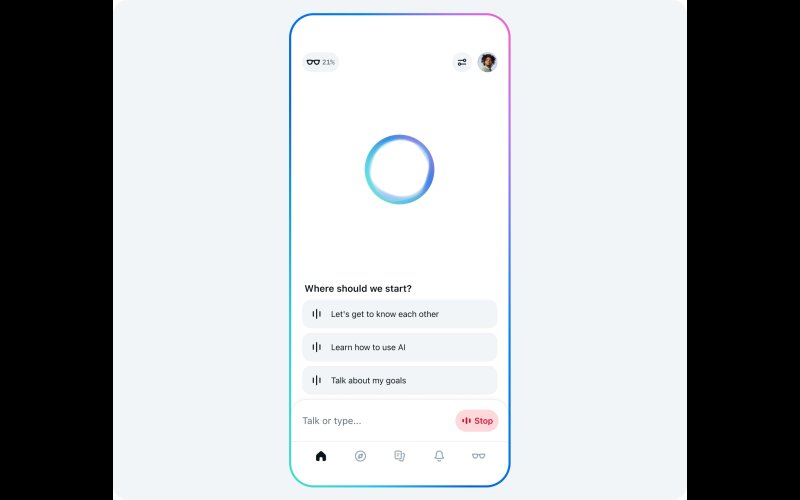
Meta, the parent company of Facebook, has officially
launched a standalone app for its Meta AI assistant—marking a bold step toward
competing directly with AI heavyweights like Google’s Gemini and OpenAI’s
ChatGPT. Previously embedded within platforms like WhatsApp, Facebook, and
Instagram, the assistant now gets its own dedicated space for users to interact
more personally and flexibly.
The new app is powered by Llama 4, Meta’s most
advanced large language model yet. It supports enhanced reasoning, multilingual
responses, and improved performance—key traits that position it alongside
leading AI models from Anthropic, Deepseek, and others.
Meta says the app is just the beginning: “This release
is the first version, and we’re excited to get this in people’s hands and
gather their feedback,” the company stated in a blog post. Future updates will
add more features and refine the user experience.
Smarter and More Personal
The AI can now retain user preferences—like favorite
travel destinations or language interests—especially when linked to Meta
accounts through the Account Center. This allows for more contextual,
personalized responses across the app, web, and Meta's smart glasses.
Voice Technology That Feels Natural
One standout feature is Meta’s full-duplex voice
demo, which enables real-time, interruption-free conversations. Unlike
traditional AI voices that pause between inputs and responses, Meta’s AI can
talk more fluidly—closer to human conversation.
Users can activate voice interactions easily with a
“Ready to Talk” setting, allowing them to start conversations hands-free while
multitasking. For now, this feature is only available in the US, Canada,
Australia, and New Zealand and is still in its experimental phase.
Web Experience and Creative Features
Enhanced
The Meta AI on the web has also received a major
upgrade. It now includes:
Meta emphasized user control in content sharing:
"Nothing is shared to your feed unless you choose to post it."
With personalized responses, voice-enabled
interaction, and cross-platform continuity, Meta aims to build not just an AI
tool—but a personal assistant that evolves with each user.
Comments:
Leave a Reply