

North Korea has confirmed carrying out a new series of
weapons tests, showcasing a range of advanced systems as part of efforts to
strengthen its military capabilities amid ongoing tensions with South Korea.
State media reports indicated that the multi-day
tests, which began earlier in the week, included the launch of ballistic
missiles as well as demonstrations of anti-aircraft weaponry, electromagnetic
systems, and newly developed explosive devices.
The announcement followed reports from South Korea’s
military, which detected several missile launches from North Korea’s eastern
coastline. According to the South Korea Joint Chiefs of Staff, the missiles
traveled distances ranging from approximately 240 to 700 kilometers before
landing in surrounding waters. Additional projectiles were also reported to
have been launched from areas near Pyongyang.
North Korea’s state media further claimed that some of
the missiles tested were nuclear-capable Hwasong-11 systems fitted with
cluster-munition warheads. These missiles are designed to fly at low altitudes
with maneuverability that can help them evade missile defense systems,
increasing their effectiveness against targeted areas.
Officials in South Korea have not immediately verified
the full extent of these claims, but the developments have heightened concerns
about regional security and stability.
The latest tests come amid strained relations between
the two Koreas, reducing prospects for renewed diplomatic engagement. In a
recent statement, a senior North Korean foreign ministry official described
South Korea as a hostile adversary, criticizing attempts to revive stalled
negotiations.
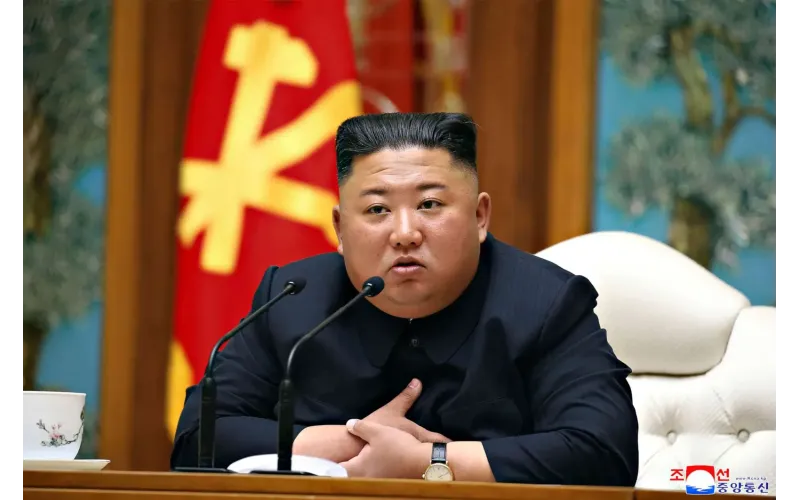
North Korean leader Kim Jong Un has largely paused
diplomatic talks with both Seoul and Washington since the breakdown of nuclear
negotiations with former U.S. President Donald Trump in 2019.
Since then, North Korea has accelerated the
development of advanced missile technology capable of reaching regional targets
and potentially extending to the United States.
At the same time, Pyongyang has sought to strengthen
ties with key allies, including China, as part of broader efforts to counter
international pressure. Chinese Foreign Minister Wang Yi is expected to visit
North Korea soon, signaling continued diplomatic engagement between the two
nations.
The situation underscores growing geopolitical
tensions in East Asia, as military advancements and political rhetoric continue
to shape the region’s security landscape.
Comments:
Leave a Reply