

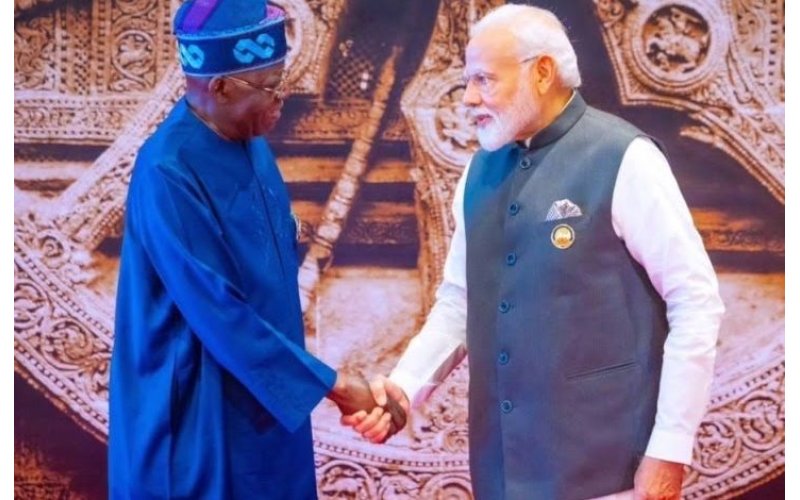
The apex Igbo socio-cultural organization,
Ohanaeze Ndigbo, has expressed both optimism and concern regarding the historic
visit of Indian Prime Minister Narendra Modi to Nigeria.
While celebrating the visit as a significant
opportunity to strengthen bilateral ties between the two nations, Ohanaeze has
also raised critical issues regarding the reported detention of over 1.3
million Nigerians across 28 states in India.
In a statement issued by the organization’s
Secretary-General, Mazi Okechukwu Isiguzoro, Ohanaeze highlighted the potential
for this visit to enhance cooperation between Nigeria and India, particularly
in the areas of technology, infrastructure, and economic development. The group
sees the visit as a positive step toward fostering stronger bilateral relations
and exploring new avenues for growth.
However, alongside the positive aspects of the visit,
Ohanaeze emphasized the urgent need to address the plight of Nigerians
currently detained in India. Many of these individuals, according to the group,
are victims of harsh immigration laws, systemic challenges, and, in some cases,
alleged racial discrimination. The statement called on President Bola Ahmed
Tinubu to prioritize this issue during his discussions with Prime Minister
Modi, urging for the release of innocent detainees and the fair treatment of
those awaiting justice.
The statement read, “This visit presents a unique
opportunity to tackle long-standing immigration issues that have adversely
affected Nigerians in India. A frank and informed dialogue can pave the way for
solutions that benefit both nations.”
A particularly concerning issue, according to
Ohanaeze, is the staggering number of Nigerians who are currently imprisoned in
India, which they claim is the highest concentration of Nigerian detainees in
any foreign country. The group described the situation as deeply troubling,
calling for immediate diplomatic action to address the matter.
“Our reliable sources have informed us that many of
these individuals have been wrongfully detained under overly strict immigration
laws that fail to distinguish between legitimate visitors, including students,
medical tourists, and businesspeople, and those who may have overstayed their
visas due to administrative complications,” the statement noted.
Ohanaeze also called for these issues to be placed on
the agenda during the forthcoming talks between President Tinubu and Prime
Minister Modi, urging the Nigerian president to push for the release of the
detained individuals and advocate for fair trials and humanitarian measures,
including possible state pardons.
It was also emphasized that the group’s advocacy was
not intended to protect those convicted of crimes under Indian law, but rather
to secure justice for those who have been wrongfully detained due to
bureaucratic inefficiencies or racial prejudice.
Furthermore, Ohanaeze proposed that the visit be used
as an opportunity to explore Nigeria’s potential inclusion in the BRICS
economic bloc, which they believe could lead to greater economic stability and
improved trade relations. By integrating Nigeria into this powerful group of
emerging economies, Ohanaeze sees the possibility of advancing Nigeria’s
economic interests on the global stage.
In conclusion, Ohanaeze expressed confidence that a
balanced approach to Nigeria-India relations—one that combines economic
collaboration with a strong commitment to human rights—could redefine the
partnership between the two countries, offering substantial benefits for both
sides.
Comments:
Leave a Reply