

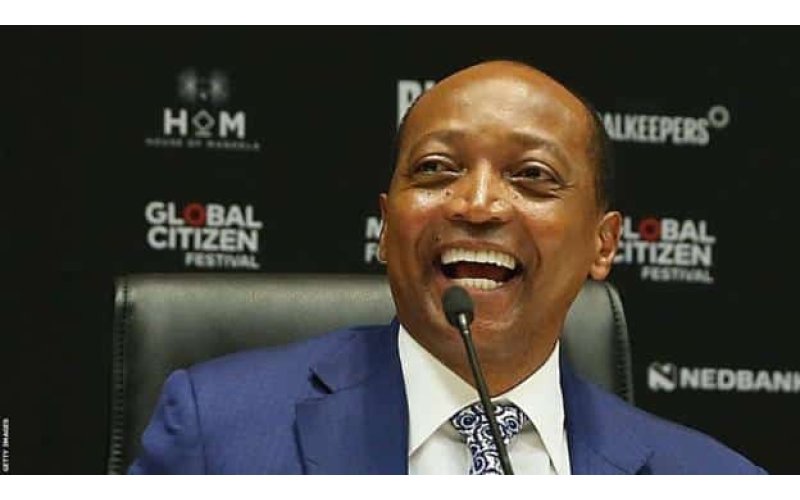
Patrice Motsepe has officially begun his second term
as Confederation of African Football (CAF) President after unopposed
re-election at the 14th CAF Extraordinary General Assembly in Cairo today March
12.
No one stepped forward to oppose him, so his second term at the helm of the
governing body of African football was all but certain, indicating the
virtually-unanimity of his support—or lack of effective alternatives—among the
CAF electorate.
Motsepe, who is 63, first came into office in 2021
after taking over from the politically-troubled Ahmad Ahmad, who was suspended
by FIFA on corruption charges.
Over the past four years, the South African businessman has endeavoured to
restore CAF’s image, streamline its finances and conclude commercial
transactions, including sponsorship arrangements with TotalEnergies.
His second term, however, will be with a new set of challenges as African
football seeks to make a mark globally.
In his acceptance speech, Motsepe reiterated his dream
of transforming African football.
“We have done some things, but still there is more to do,” he told CAF
delegates in Cairo.
“The goal remains making African football competitive on the international
stage, stabilising finances and investing in infrastructure that allows our
teams and players to thrive.”
One of the biggest challenges is upgrading stadium facilities across the
continent.
A number of African nations have been compelled to stage international matches
in neutral stadiums due to inadequate facilities.
Motsepe has pledged to work with governments and national associations to
improve standards in stadiums and make more African countries potential hosts
for big tournaments.
Another key priority is enhancing governance and transparency at CAF.
The organization must still overcome decades of poor financial management, and
Motsepe promised to impose stricter controls to protect against corruption and
ensure fair allocation of CAF’s financial resources.
Women’s football development is also at the forefront of the agenda.
While the launch of the CAF Women’s Champions League in 2021 was significant,
investment and engagement remain low.
Motsepe’s administration will be tested by how he can offer more opportunities
to women footballers on the African continent.
In addition to internal problems, Motsepe must navigate the politics of African
football, balancing the interests of the various regional blocs—COSAFA, CECAFA,
WAFU, UNAF, and UNIFFAC—while being on good terms with FIFA.
His good rapport with FIFA President, Gianni Infantino, has served him well in
securing CAF financial and administrative support, but critics think that CAF
must create greater independence in decision-making.
Even though he was re-elected unopposed, there are doubts among observers
whether the lack of opposition reflects broad confidence in his leadership or
is an indication of narrow political space in CAF’s electoral process.
Regardless, with another four years on the horizon, maybe Motsepe can make a
lasting impact by taking African football to new levels.
Comments:
Leave a Reply