

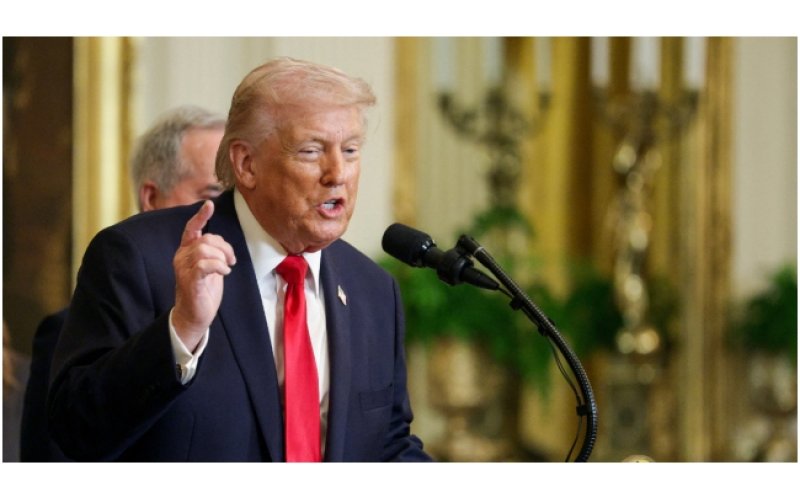
Former U.S. President Donald Trump has delivered a
series of sharp warnings directed at Iran, urging authorities to reopen the
critical Strait of Hormuz amid rising tensions in the Gulf region.
In a post shared on his platform, Truth Social, Trump
used aggressive language to caution Iran against restricting access to the
strategic waterway, which plays a vital role in global oil transportation.
His comments come at a time when hostilities in the
region appear to be intensifying, with reports of Iranian-linked attacks
targeting oil facilities and infrastructure in neighboring Gulf countries. The
ongoing situation has heightened concerns about the stability of global energy
supply chains.
In a separate interview, Trump indicated that
diplomatic discussions may still be underway but warned that failure to reach
an agreement quickly could result in severe consequences. He suggested that
military action could be considered if negotiations collapse, emphasizing the
urgency of the situation.
The Strait of Hormuz remains a critical route for
international oil shipments, with a significant portion of the world’s crude
supply passing through it daily. Any disruption to this corridor has the
potential to impact global markets and energy prices.
Reports indicate that Iran has tightened control over
movement in the strait during the conflict, stating that while it remains open,
restrictions apply to vessels associated with the United States, Israel, and
their allies.
The growing tension has also prompted international
concern, with countries such as the United Kingdom reportedly preparing
contingency plans in case access to the strait is further limited or disrupted.
Trump also referenced a recent U.S. military operation
involving the rescue of a downed American airman in Iranian territory. He
praised the officer involved, describing him as a highly respected serviceman
who survived a dangerous situation behind enemy lines.
As rhetoric between both sides intensifies and
military activities continue, fears are mounting over the possibility of a
wider regional conflict with global implications.
Comments:
Leave a Reply