

Abuja, April 15
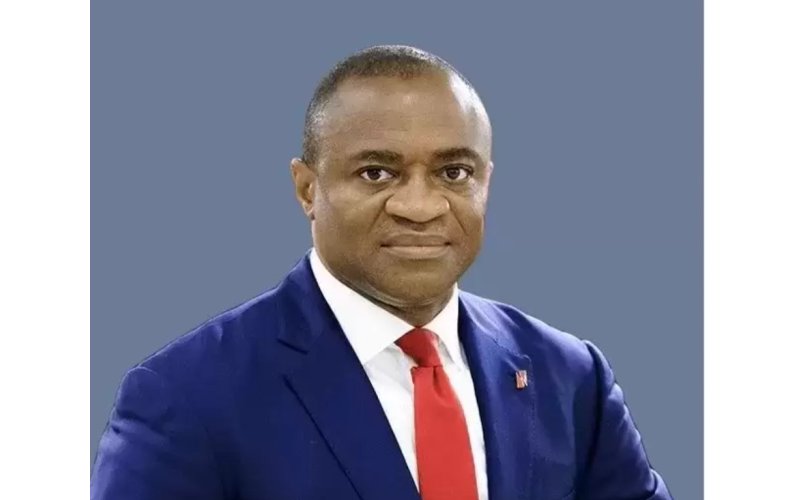
— The Group Managing Director of United Bank for Africa (UBA), Mr.
Oliver Alawuba, has stated that Nigeria must achieve double-digit GDP
growth to realize its ambitious $1 trillion economy target by 2030.
Speaking at the 36th edition of the Finance
Correspondents and Business Editors Seminar in Abuja on Monday, Alawuba
emphasized that consistent 10% annual economic growth is both attainable
and necessary for Nigeria to reach the landmark target.
The seminar, organized by the Central Bank of
Nigeria (CBN), is themed: “Playing the Global Game: Banking
Recapitalisation Towards a One-Trillion Dollar Economy.”
“We need to grow at double digits to get to a
one-trillion dollar economy by 2030. A 10 per cent growth rate is achievable,”
Alawuba said.
He highlighted that currently, total banking assets
represent only 12% of Nigeria’s GDP, compared to over 70% to 100% in more
developed economies. This disparity, he noted, signals a vast untapped
potential for banks to mobilize deposits, investments, and capital to fuel
other sectors of the economy.
“Strong banks are critical to building a strong
economy. Profitability and robust reserves will enable banks to better support
the economy,” he added.
Alawuba also pointed out that with the ongoing banking
recapitalization drive, banks are well-positioned to raise the capital
needed to elevate Nigeria’s economy significantly.
CRR, Infrastructure, and Economic Policy
Reforms
The UBA chief further expressed concerns over the 50%
Cash Reserve Ratio (CRR), calling it unsustainable in the long term
and a potential hindrance to economic growth.
“A 50% CRR is not sustainable if we are serious about
driving growth. As inflation responds to CBN policies, we expect CRR to come
down.”
Alawuba urged the government to provide a solid institutional
framework and policy support to encourage bank investments in
critical infrastructure such as roads, ports, power, and digital
connectivity.
He also advocated for:
“With the right environment, banks can unlock immense
opportunities. Capital won’t be a constraint — sustainability will not be a
problem.”
Alawuba’s remarks align with broader calls from
industry leaders and economic experts urging for holistic reforms,
private sector empowerment, and long-term investments to achieve Nigeria’s
trillion-dollar ambition.
Comments:
Leave a Reply