

Efforts by the Federal Government to avert a
nationwide shutdown of Nigeria’s petroleum sector have stalled, after a
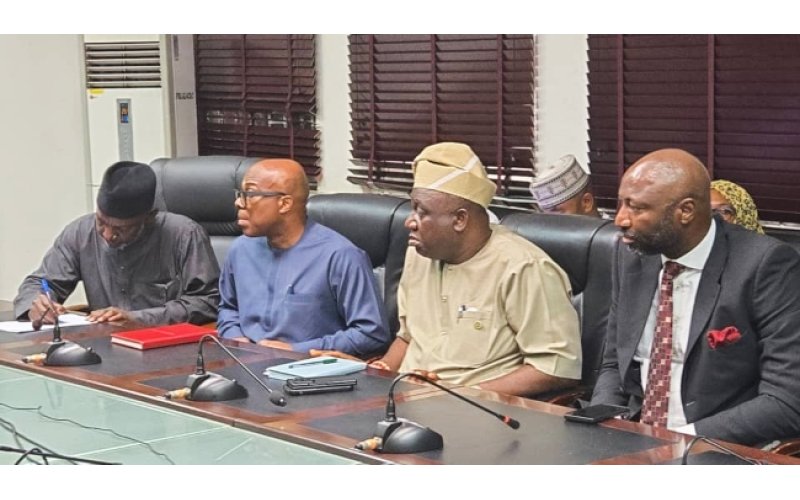
closed-door conciliation meeting between the Nigeria Union of Petroleum and
Natural Gas Workers (NUPENG) and the Dangote Group ended in deadlock
on Monday.
The meeting, convened by the Minister of Labour and
Employment, Mohammed Dingyadi, and his junior minister, Nkiruka
Onyejeocha, brought together top labour leaders, including officials of the
Nigeria Labour Congress (NLC) and Trade Union Congress (TUC),
alongside representatives of the Nigerian Midstream and Downstream Petroleum
Regulatory Authority (NMDPRA), Dangote Group, and MRS Petroleum.
At the heart of the dispute is NUPENG’s allegation
that the Dangote Refinery is attempting to stop compressed natural gas (CNG)
tanker drivers from joining labour unions. NUPENG insists this violates
workers’ rights, and despite distancing by the Petroleum Tanker Drivers
(PTD) and the Direct Trucking Company Drivers Association (DTCDA),
the union has reaffirmed that its members will commence strike action on September
8.
FG Appeals for Restraint
Minister Dingyadi urged NUPENG to shelve the strike,
warning that any disruption in the petroleum sector — the backbone of Nigeria’s
economy — would trigger revenue losses in billions of naira and cause
hardship nationwide. He also appealed to the NLC to withdraw its “red alert” to
affiliate unions for solidarity action.
“The petroleum sector is very important to this
country. A strike, even for just a day, will have an adverse impact,” Dingyadi
said in a statement.
Falana Backs NUPENG
Prominent rights lawyer Femi Falana, SAN, threw
his weight behind NUPENG, arguing that Dangote’s policy contravenes Section
40 of the Constitution, the Trade Union Act, the African Charter
on Human and Peoples’ Rights, and international conventions ratified by
Nigeria, including those of the International Labour Organisation (ILO).
Health Sector Warning
Meanwhile, Minister of State for Health, Isaq
Salako, warned that a strike would have a devastating impact on hospitals,
which remain 65–80% reliant on diesel and petrol generators.
“A strike by NUPENG will obviously affect the health
sector… and you obviously don’t want that,” Salako said in a televised
interview, appealing for restraint from both sides.
What Next?
With talks failing, pressure is mounting on the
government to prevent a shutdown that could cripple fuel supplies, worsen
inflation, and paralyse key sectors, including health and transportation.
NUPENG has yet to withdraw its strike notice.
Comments:
Leave a Reply