

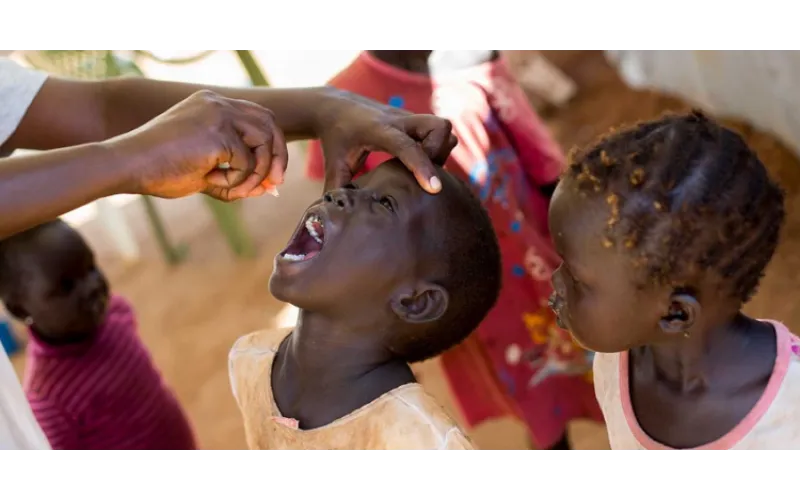
Gavi, the Vaccine Alliance, has pledged $3 million
over the next two years to strengthen routine immunization and primary health
care in Kaduna State, Nigeria. The investment aims to accelerate progress
towards universal vaccine coverage, particularly in hard-to-reach communities.
Jessica Crawford, Gavi’s Senior Country Manager for
Nigeria, announced the funding during a high-level field mission to Kaduna. The
visit featured engagements with top state officials, inspections of health
facilities, and strategy sessions with development partners.
Crawford praised Kaduna State for its strong
leadership, effective coordination, and notable achievements in immunization
coverage. She said the new funding, drawn from Gavi’s latest Health System
Strengthening (HSS) grant, will focus on improving vaccine delivery systems,
addressing inequities in coverage, and reducing the number of ‘zero-dose’
children — those who have not received any routine vaccines.
“Over the past seven years, Gavi has supported Kaduna
through cold chain equipment provision, vaccine supply operations, outbreak
response, workforce support, and direct vaccine procurement,” she said. “We
remain committed to building on this foundation to ensure equitable access to
life-saving vaccines.”
Implementation Strategy
The $3 million grant will be implemented in
collaboration with the Kaduna State Government, the National Primary Health
Care Development Agency (NPHCDA), and other stakeholders. Efforts will
prioritize capacity building, supply chain improvements, and community
engagement to tackle vaccine hesitancy.
Hassan Ousmane, Head of Routine Immunization at the
NPHCDA, highlighted the federal government’s role in nationwide vaccine
procurement.
“The federal government, through the NPHCDA, procures
vaccines for all states, ensuring that every child is vaccinated,” he
explained. “Partners like Gavi complement these efforts with additional
funding, equipment, and support for health systems.”
According to Ousmane, Gavi’s national funding
commitment stands at $13 million over three years, with Nigerian states
contributing counterpart funding to ensure program sustainability.
Tackling Zero-Dose Children
Dr Barkunawa Bello, Deputy Director of Routine
Immunization and Gavi Desk Officer at the NPHCDA, described Nigeria’s burden of
zero-dose children as among the highest in the world.
“In 2022, Nigeria recorded 2.3 million zero-dose
children. That figure has dropped to about 2.1 million, but significant gaps
remain,” Bello said.
Kaduna is one of five states — alongside Sokoto,
Kebbi, Kano, and Bayelsa — receiving intensified support from Gavi to close
these immunization gaps. Bello stressed the importance of community-level
advocacy through traditional and religious leaders to boost vaccine acceptance.
Kaduna Government’s Commitment
Kaduna State Deputy Governor, Dr Hadiza Balarabe,
welcomed Gavi’s renewed commitment, describing it as an affirmation of a shared
mission to safeguard children’s health. She credited partnerships with Gavi,
NPHCDA, UNICEF, and the Bill & Melinda Gates Foundation for major
improvements in coverage, cold-chain infrastructure, and health workforce
capacity.
However, she acknowledged persistent challenges such
as reaching children in remote or insecure areas and overcoming vaccine
hesitancy.
“Our government remains committed to revitalizing
primary health care facilities, deploying innovative supply chain solutions,
and sustaining community engagement,” she said.
With Gavi’s latest funding, Kaduna hopes to make
significant strides toward full immunization coverage, reducing preventable
childhood illnesses and deaths across the state.
Comments:
Leave a Reply