

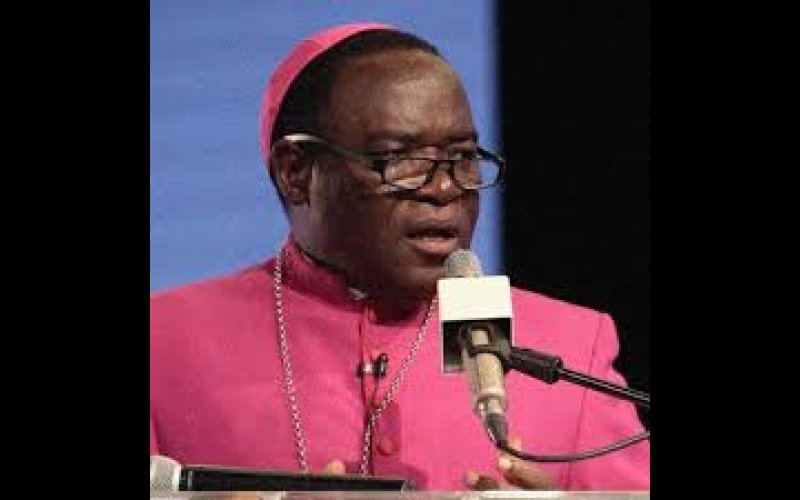
Reactions have continued to trail the recent appeal by
the Catholic Bishop of Sokoto Diocese, Most Rev. Matthew Hassan Kukah,
urging the United States not to designate Nigeria as a Country
of Particular Concern (CPC) over alleged violations of Christian religious
freedom.
One of the strongest reactions came from civil
rights activist, Dr. Thompson Udenwa, who expressed surprise at Bishop
Kukah’s “sudden change of tone,” given his long-standing advocacy on religious
persecution in Nigeria.
In a statement issued on Thursday in Abuja, Dr.
Udenwa recalled that only a few years ago, the outspoken cleric had been among
those urging Washington to impose the CPC designation in response to
“widespread attacks on Christian communities, church burnings, and targeted
killings” in parts of northern and central Nigeria.
Dr. Udenwa’s remarks followed Bishop Kukah’s speech at
the launch of the Aid to the Church in Need (ACN) 2025 World Report on
Religious Freedom at the Augustinianum Hall in Vatican City, where
the Bishop argued that while persecution in Nigeria “remains real, it is not
total.”
Kukah said that placing Nigeria on the CPC list would
“hurt ongoing efforts” at promoting dialogue, national healing, and interfaith
understanding under the Bola Tinubu administration.
“Re-designating Nigeria a Country of Concern will only
make our work in the area of dialogue among religious leaders even harder,”
Kukah said.
“It will increase tensions, sow doubt, open windows of suspicion and fear, and
simply allow the criminals and perpetrators of violence to exploit. What
Nigeria needs now is vigilance and partnership, not punishment,” he insisted.
However, Udenwa questioned why the same Bishop who, in
2021, addressed the U.S. Congress condemning the Buhari
administration’s alleged indifference to Christian persecution, would now
oppose the very measure he once described as “moral justice.”
“While I distance myself from the political
undercurrents in the ongoing debate, I find Bishop Kukah’s recent statement
troubling,” Udenwa said.
“Not long ago, he stood as one of the loudest voices calling for international
recognition of the persecution of Christians in Nigeria. Today, he appears to
have retreated from that conviction.”
Udenwa acknowledged Bishop Kukah’s emphasis on
dialogue and cooperation but warned that such arguments could embolden the
government to avoid accountability for persistent attacks on religious
communities.
“By his volte-face, Bishop Kukah has demonstrated why
religious leaders must be selfless and consistent in their advocacy,” he
maintained.
“Truth should remain truth, regardless of who is in power or what political
relationships are at stake.”
He urged faith leaders to resist selective criticism
and maintain integrity in “speaking truth to power”, citing Bishop
Kukah’s shift from advocating sanctions during the Buhari era to discouraging
them under the current administration.
Udenwa also referenced the recently released book, “According to the President — Lessons From a Presidential Spokesman’s Experience,” by former presidential aide Garba Shehu, particularly pages 150–155, which he said highlighted Kukah’s past actions that allegedly influenced the Trump administration’s contemplation of sanctions against Nigeria.
Comments:
Leave a Reply