

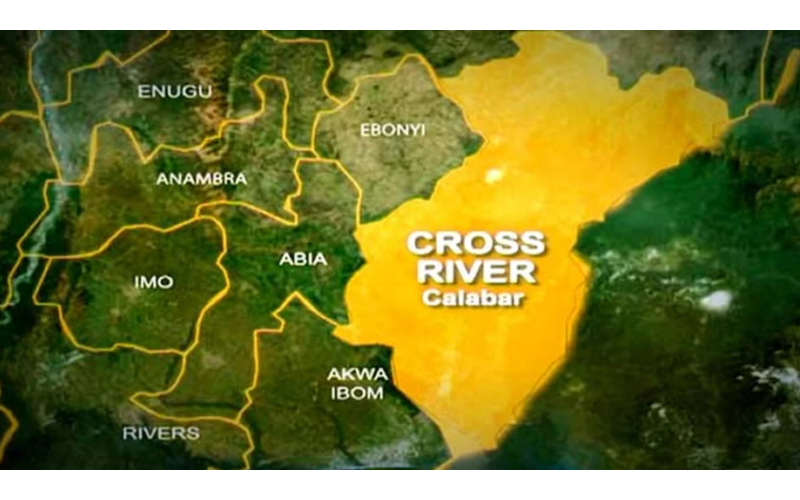
Calabar, Nigeria —
Two prominent legal minds, Chief Okoi Obono-Obla and Justice Osai
Ahiakwo, have expressed diverging opinions on the chances of the Supreme
Court reversing its 2012 judgment which awarded 76 oil wells
to Akwa Ibom State in a landmark dispute with Cross River State.
Their opinions follow recent remarks by Cross River
State Governor Bassey Otu, who disclosed that his administration is making
fresh moves to recover the oil-rich assets lost over a decade ago. The
governor’s revelation has since stirred debate on social media and among legal
observers, especially regarding whether new evidence could justify reopening
the case.
Obono-Obla: “A Futile Move”
Chief Obono-Obla, a former presidential aide and
seasoned lawyer, cast serious doubt on the feasibility of reversing the ruling.
“While it is true that judgments previously entered by
the Supreme Court of Nigeria can be set aside, such applications are rarely
successful,” he stated.
He explained that the Supreme Court exercises its
discretion to review cases sparingly, particularly when fresh
evidence is cited.
To meet the stringent legal standard, the new evidence
must:
“A renewed application would not only be unlikely to
succeed but would also result in a waste of time, public resources, and
judicial effort,” Obono-Obla warned. “It’s a case best left where the Supreme
Court laid it — in precedent.”
Ahiakwo: “It’s Possible Under Compelling
Grounds”
On the other hand, public affairs analyst and legal
expert Justice Osai Ahiakwo argued that a review, though rare, remains constitutionally
possible.
He referenced Section 232(1) of the 1999
Constitution, which gives the Supreme Court original jurisdiction in
inter-state disputes, and also cited Order 20 Rule 4 of the Supreme Court,
which permits the court to review its decisions under specific
conditions.
“The court is not infallible,” Ahiakwo stated. “If
compelling new facts or errors of law emerge, the court can revisit the 2012
ruling.”
He echoed Obono-Obla’s point that new and
previously inaccessible evidence would be key to convincing the court.
Additionally, procedural errors, legal misinterpretations, or significant
shifts in the legal or factual landscape could form valid bases for a
review.
“Ultimately, the court would weigh all factors and
exercise discretion carefully,” Ahiakwo added. “But the door is not entirely
closed.”
Akwa Ibom Responds
Meanwhile, the Akwa Ibom State Government has
responded firmly, rejecting any renewed claim by Cross River over the oil
wells. In a statement released Saturday, the state insisted that the Supreme
Court judgment remains final, and the disputed oil wells lie within its
lawful maritime boundaries.
Comments:
Leave a Reply