

The Nigerian government has strongly rejected a recent
move by the United States Congress to classify Nigeria as a “Country of
Particular Concern” (CPC) for alleged violations of religious freedom.
The proposed resolution, introduced in Congress on March
11, 2025, accuses Nigeria of tolerating “systematic, ongoing, and
egregious” religious persecution — a claim Nigerian lawmakers and officials
have firmly denied.
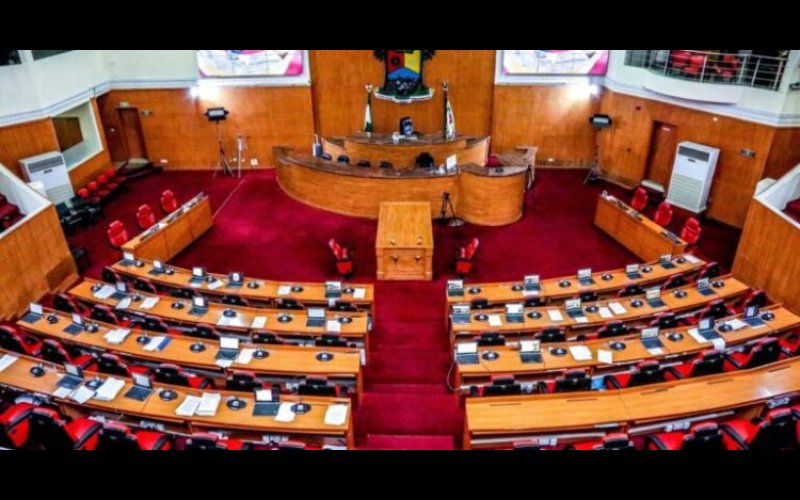
In response, the House of Representatives has
directed relevant government agencies, including the Ministry of Foreign
Affairs, to gather and submit credible evidence disproving the allegations
contained in the U.S. bill.
The decision followed a motion of urgent public
importance sponsored by Deputy Speaker Benjamin Kalu, which received
unanimous support from members of the House.
Lawmakers emphasized that Nigeria is not facing a
religious crisis, urging swift diplomatic engagement with the United States
to prevent the resolution from advancing further.
Two weeks earlier, the Federal Government had
already dismissed similar claims from international organizations and online
commentators alleging that terrorists in Nigeria are committing genocide
against Christians.
In a statement, the Minister of Information and
National Orientation, Mohammed Idris, described such allegations as
“false, baseless, despicable, and divisive.”
“Portraying Nigeria’s security challenges as a
targeted campaign against one religious group is a gross misrepresentation of
reality,” Idris said.
“While Nigeria, like many nations, continues to combat terrorism and
criminality, labeling these challenges as a systematic attack on Christians is
both inaccurate and harmful. It oversimplifies a complex security situation and
plays into the hands of extremists seeking to divide the country.”
The minister stressed that terrorist groups have
attacked Nigerians of all faiths, and highlighted ongoing military
progress in the fight against insurgency.
He reiterated the government’s commitment to religious
tolerance, national unity, and protecting all citizens, regardless
of their faith or background.
Comments:
Leave a Reply