

“The affected age group is primarily 21 to
30 years, with a male-to-female ratio of 1:0.8."
Nigeria recorded 80 deaths from Lassa fever in one
week (3rd to 9th March), according to an official statement.
The Nigeria Centre for Disease Control and Prevention
(NCDC) said in the statement that it recorded the 80 deaths from 413 confirmed
Lassa fever cases across 11 states during Epidemiological Week 6 (Feb. 3–9,
2025).
The NCDC disclosed this information on its official
website, noting that the case fatality rate (CFR) had risen to 19.4 per cent,
up from 17.5 per cent in the same period in 2024.
The latest Lassa Fever Situation Report revealed that
73 per cent of confirmed cases came from Ondo, Edo, and Bauchi states, with
Ondo leading at 34 per cent, followed by Edo 21 per cent and Bauchi 18 per
cent.
It said a total of 63 local government areas in these
11 states had recorded confirmed cases.
“In spite of a drop in new cases from 68 in Week 5 to
54 in Week 6, the agency remains concerned about the high fatality rate.
“The affected age group is primarily 21 to 30 years,
with a male-to-female ratio of 1:0.8.”
The NCDC said while no new healthcare worker
infections were reported this week, delayed case presentations had contributed
to the rising fatality rate.
The NCDC pointed to poor health-seeking behaviour,
high treatment costs, and limited awareness in high-burden communities as major
challenges.
To address the outbreak, the NCDC had activated the
National Lassa Fever Multi-Sectoral Incident Management System (IMS) to
coordinate efforts.
“The key interventions include deployment of National
Rapid Response Teams (NRRT) to Gombe, Nasarawa, and Benue.
“The interventions also involve training healthcare
workers in Lassa fever case management in Bauchi, Ebonyi, and Benue, enhanced
surveillance, and contact tracing in affected states.
“Additionally, there will be distribution of response
commodities such as personal protective equipment (PPEs), Ribavirin,
thermometers, and body bags, along with community sensitization and risk
communication campaigns in hotspot areas.”
The NCDC stated that it was also collaborating with
the World Health Organisation (WHO), Médecins Sans Frontières (MSF), and the
International Research Centre of Excellence (IRCE) to improve diagnosis,
treatment, and outbreak response.
The agency urged Nigerians to take preventive
measures, including maintaining proper hygiene, avoiding contact with rodent
droppings, and seeking medical attention early if symptoms like fever, sore
throat, and unexplained bleeding occur.
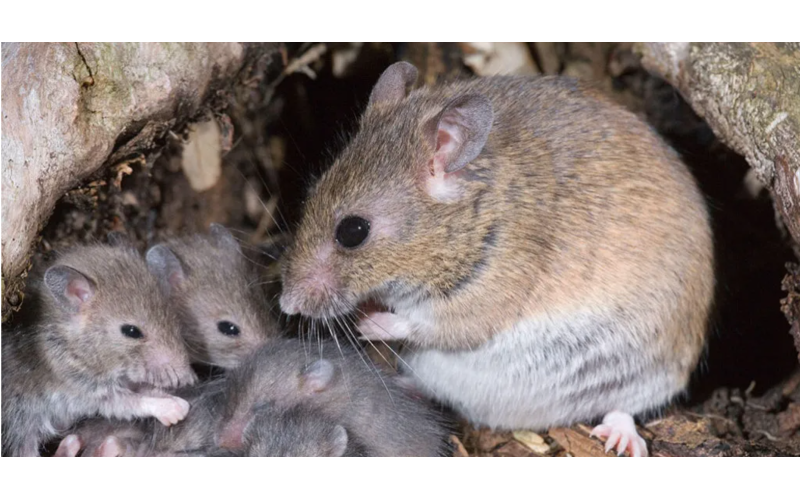
Lassa fever is mostly transmitted through contact with
faeces and urine of infected rodents (mainly rats) and through contact with
infected persons.
“As the Lassa fever season peaks, the NCDC is
intensifying case management training, rapid response coordination, and
infection prevention measures to curb the outbreak’s spread,” the agency wrote.
“A nationwide rodent control and community awareness
campaign is being planned in collaboration with Breakthrough Action Nigeria
(BA-N) and other stakeholders.
“For real-time updates and safety guidelines, the NCDC
advises Nigerians to visit www.ncdc.gov.ng or call the toll-free line: 6232.”
The NCDC further urged Nigerians to reduce their risk
of infection by following these measures:
“Store food properly in sealed containers to prevent
rat contamination.
“Keep homes clean and eliminate rodent hiding places.
“Practice good hand hygiene by washing hands regularly
with soap and water.
“Avoid bush burning, which drives rats into homes,
increasing the risk of infection.
“Seek medical help early if experiencing fever,
weakness, or bleeding, and visit a health facility immediately.”
The NCDC stated that Lassa fever is preventable and
encouraged Nigerians to stay informed and take action to protect themselves and
their loved ones.
Comments:
Leave a Reply