

Nigerian cryptocurrency exchanges have reconnected to
the formal banking system, one year after securing regulatory approval, marking
a significant milestone for the country’s digital asset industry.
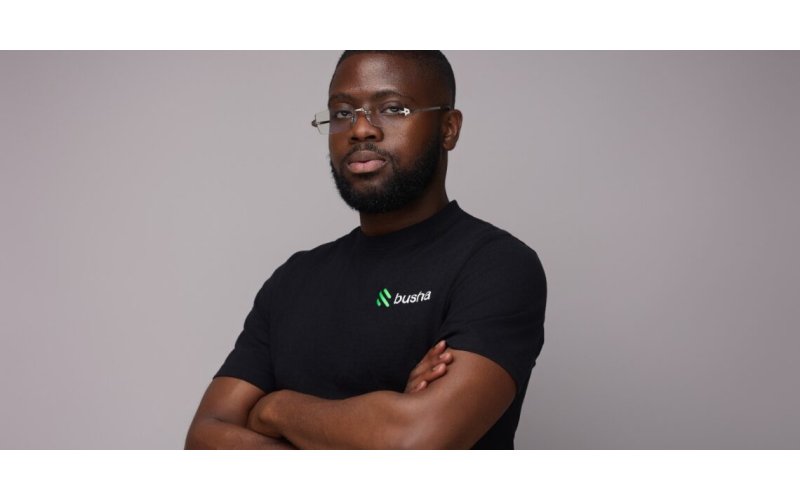
In an interview with Nairametrics, Moyo
Sodipo, Chief Operating Officer of Busha, described the development
as a turning point for platforms that once operated largely outside traditional
finance.
“It’s been a year of learning, collaboration, and
understanding,” Sodipo said. “The biggest change is that we are finally able to
once again access the formal banking network in Nigeria.”
From Restriction to Recognition
The breakthrough follows the Securities and
Exchange Commission’s (SEC) decision in August 2024 to grant Approvals-in-Principle
to Busha and Quidax, two of the country’s leading exchanges. The approvals gave
the firms legal recognition as crypto trading platforms—an important precursor
to full registration.
Until then, the industry had been constrained by a 2021
Central Bank of Nigeria (CBN) directive that barred financial institutions
from servicing crypto-related businesses. Exchanges were forced to adopt peer-to-peer
(P2P) models and other workarounds to sustain operations.
Now, Sodipo says banking institutions that once
avoided crypto players are “happy to welcome us into their offices again.”
A Boost for Confidence and Compliance
The SEC’s move has been widely seen as a catalyst for
renewed confidence, bridging the gap between crypto firms and the mainstream
financial sector. Industry observers argue that the approvals have encouraged
greater transparency, compliance, and financial inclusion in Nigeria’s
growing digital asset market.
“We no longer need to be in the shadows or depend
solely on P2P,” Sodipo noted. “Now we can openly provide crypto and digital
asset services to Nigerians.”
What You Should Know
With banking access restored, analysts say Nigerian
exchanges are now positioned for sustainable growth, deeper
collaboration with financial institutions, and wider adoption of digital assets
across the economy.
Comments:
Leave a Reply