

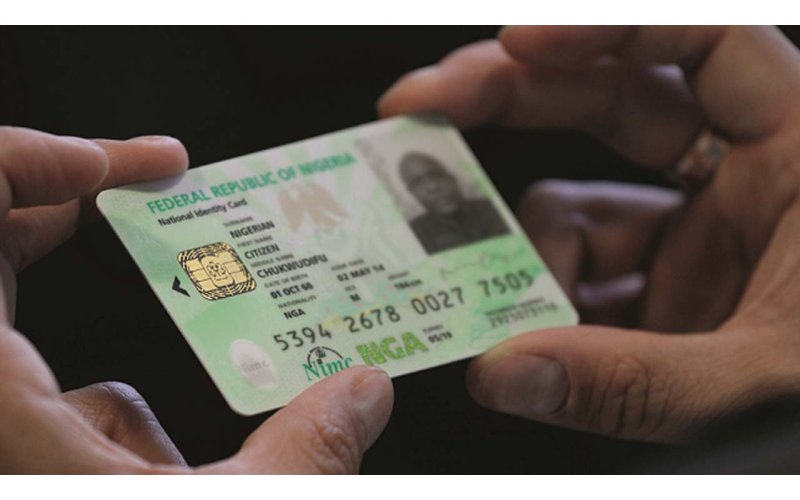
The National Identity Management Commission (NIMC) has
raised the alarm over a disturbing trend involving the illicit trade of
Nigerians’ personal data, including National Identification Numbers (NIN), to
financial technology companies. The Commission claims that fraudsters are
colluding with young Nigerians to illegally harvest and sell this sensitive
data.
According to a press release issued by Kayode
Adegoke, Head of Corporate Communications at NIMC, the Commission stated
that these fraudsters lure unsuspecting youths into surrendering their NINs in
exchange for sums ranging from ?1,500 to ?2,000. The data is then resold
to Fintech institutions for as much as ?5,000 per individual.
“The statement by EFCC that this fraud scheme is
largely driven by an army of young Nigerians offering a paltry payment of
between N1,500 and N2,000 to their victims to make them surrender a copy of
their personal information details to them and sell the same information to
some Fintech Institutions for about N5,000,” the NIMC statement reads.
The Commission warned that such actions carry grave
security implications and reminded citizens that it bears no responsibility
for any consequences arising from the voluntary disclosure of personal data to
unauthorized individuals or third parties.
NIMC and EFCC Raise Red Flags
The alert follows a broader warning from the Economic
and Financial Crimes Commission (EFCC) regarding a fast-growing scam where
Nigerians — particularly youth — are exploited or complicit in the selling of
identity credentials. NIMC has reiterated its stance that individuals must
never disclose their NINs unless through authorised and verified channels.
“Nigerians have been informed repeatedly in the past
by the NIMC not to disclose their NIN to any unauthorised individual or
organisation,” the Commission stressed.
The commission also highlighted the importance of
using its NINAuth platform — a secure digital identity verification
system launched in May 2025 — to protect personal information and
validate identity credentials before accessing government or commercial
services.
Rise of Fake Identity Platforms and
Unauthorized NIN Cards
In a related crackdown, NIMC warned the public about
fraudulent platforms like NINcard.com, which falsely claim to offer
enrollment or modification services for NIN. The Commission categorically
disowned the site, describing it as part of a broader attempt by cybercriminals
to deceive and defraud the public.
The Commission also raised concerns about the illegal
printing of unauthorized NIN cards by individuals, cybercafés, and other
informal agents. In an earlier statement made in March 2025, NIMC
reminded Nigerians that only the NIN slip or the official General
Multi-Purpose Card (GMPC) issued by the Commission is valid for
identification.
“The so-called NIN card being printed by some
cybercafés and individuals is not authorised by NIMC. On no account should it
be presented as a means of identification,” the agency said.
Progress on National Identity Registration
Despite the challenges, NIMC reported steady progress
in its drive to ensure a national digital identity for every Nigerian. As of
July 2025, the agency has successfully registered over 120 million Nigerians,
with an ambitious target of reaching 200 million by December 2025.
The Commission reiterated its commitment to
safeguarding the integrity of Nigeria’s identity ecosystem and warned of the
long-term risks of exposing personal data to unauthorized entities.
“This situation is not only a serious security concern
but one with grave consequences for the NIN holders themselves,” it said.
Public Advisory
NIMC advises all Nigerians to:
The Commission concluded by calling on Fintech firms
and service providers to tighten due diligence processes and avoid
engaging in data procurement practices that violate national laws or compromise
user privacy.
Comments:
Leave a Reply