

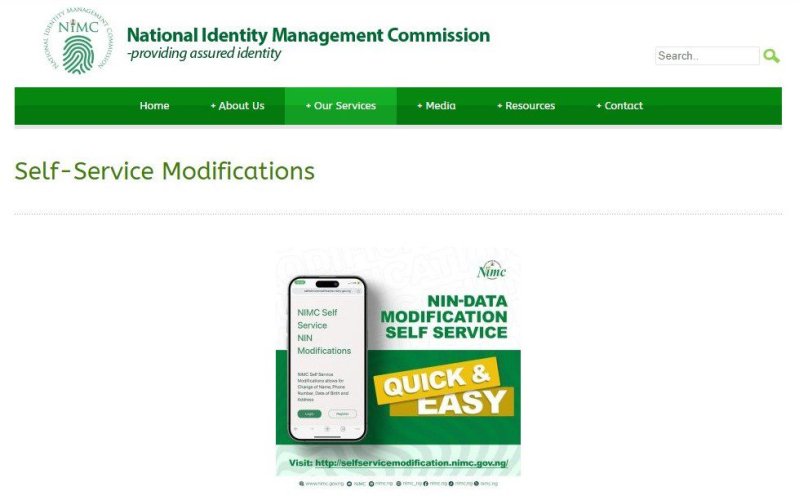
The National Identity Management Commission (NIMC) has
recently increased the fee for correcting the date of birth on the National
Identification Number (NIN) database from ?16,340 to ?28,750, a 75% hike.
Similarly, the cost for name corrections has risen by 31%, from ?1,522 to
?2,000.
This significant fee increase has ignited widespread
public criticism, especially among Nigerians already facing economic hardships.
Many citizens argue that they are being unfairly charged for errors often
introduced by NIMC agents during the data capture process. Social media
platforms have been flooded with complaints, with users sharing experiences of
being compelled to pay for corrections of mistakes they did not make.
Legal experts have also weighed in on the matter.
Oladipupo Ige, Policy & Advocacy Director at the Data Privacy Lawyers
Association of Nigeria, points to Article 36(4) of the Nigeria Data Protection
Act’s General Application and Implementation Directive (NDPA-GAID) 2025. This
article stipulates that when data rectification is necessary due to errors made
by a data controller or processor, the data subject should not bear the cost of
correction. Ige emphasizes that NIMC, as the data controller, is legally obligated
to correct such errors without charging the affected individuals.
In defense of the fee hike, NIMC cites the need to
align with current operational costs and industry standards, noting that the
previous pricing structure had been in place for a decade. The commission also
references the country's inflation rate, which stands at 32.7%, as a factor
necessitating the revision of service fees.
Despite these justifications, the lack of a clear
mechanism to distinguish between errors made by NIMC agents and those made by
applicants remains a contentious issue. Critics argue that without such a
system, citizens are left to shoulder the financial burden of mistakes they did
not cause, undermining trust in the national identity system.
As public outcry continues, there are growing calls
for NIMC to review its policies and ensure that citizens are not penalized for
errors beyond their control. The situation underscores the importance of
transparency and accountability in the management of national identification
services.
Comments:
Leave a Reply