

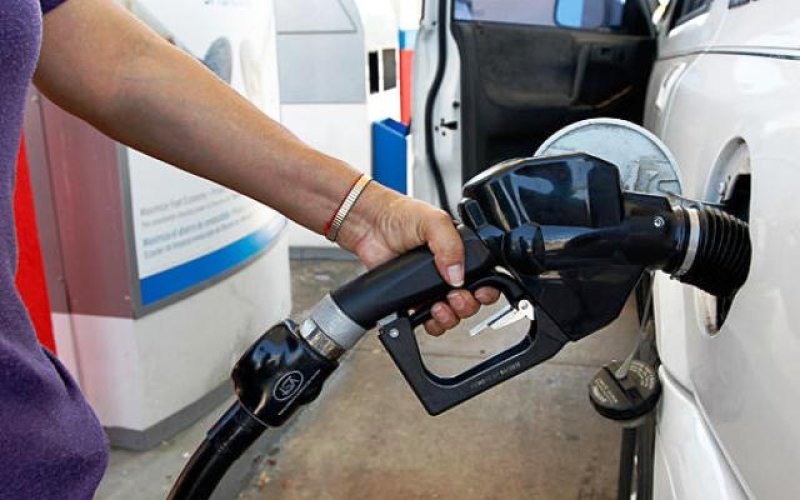
A market survey on Saturday morning revealed long
queues of private car owners and commercial bus drivers at some petrol stations
along the Ibadan/Lagos Expressway, particularly at the MRS
station in Alapere, where petrol is being sold at ?937 per litre.
Other stations along the corridor recorded fewer
customers as prices have surged past ?1,000 per litre. Eterna Plc
increased pump prices to ?1,040, while North West Capital Oil and Fatgbems
adjusted prices to ?1,030. Mobil stations were slightly lower at ?1,025
per litre.
Some stations, including those operated by the Nigerian
National Petroleum Company (NNPC) Limited, remained closed. The NNPC
station at OPIC Estate was still shut as of 7:00 AM, though the reasons for the
closure were unclear. Certain TotalEnergies outlets along the expressway
were also not selling petrol, while others had only a few buyers at the gates.
International Influence on Prices
The rush comes after global crude oil prices jumped
above $80 per barrel, amid the ongoing conflict between the United
States, Israel, and Iran.
On Tuesday, Dangote Petroleum Refinery &
Petrochemicals raised its ex-depot petrol price from ?774 to ?874 per
litre. Economist Paul Alaje, Chief Economist at SPM Professionals,
had warned that petrol prices in Nigeria could exceed ?1,000 per litre if the
Middle East conflict is not managed.
Alaje explained that rising crude oil prices directly
increase costs for refined products such as petrol, diesel, and aviation fuel,
affecting households and businesses alike. “As crude oil goes up, the cost of
PMS, diesel, and Jet-A1 will also follow. If PMS reaches ?1,000, diesel and
flight tickets will rise too, impacting everyone from the poor to the wealthy,”
he said.
Regional Tensions Drive Energy Costs
The Middle East conflict has disrupted regional energy
flows, particularly through the Strait of Hormuz, a critical corridor
for about 20% of global oil shipments. Iran has launched missiles and drones
targeting neighbouring countries including Lebanon, Saudi Arabia,
Qatar, and Dubai, sending crude prices up nearly 14% on Monday.
European natural gas prices also spiked by almost 40% after QatarEnergy
halted liquefied natural gas production.
Iran’s Revolutionary Guards warned that any ship
attempting to navigate the Strait of Hormuz could be attacked and threatened to
target oil pipelines, suggesting oil prices could reach $200 per barrel.
Analysts have warned that rising energy costs may complicate global central
banks’ efforts to control inflation while supporting economic growth.
The developments have already fueled concerns about a
fresh energy crisis, with queues forming at Nigerian petrol stations and
uncertainty mounting for households and businesses across the country.
Comments:
Leave a Reply