

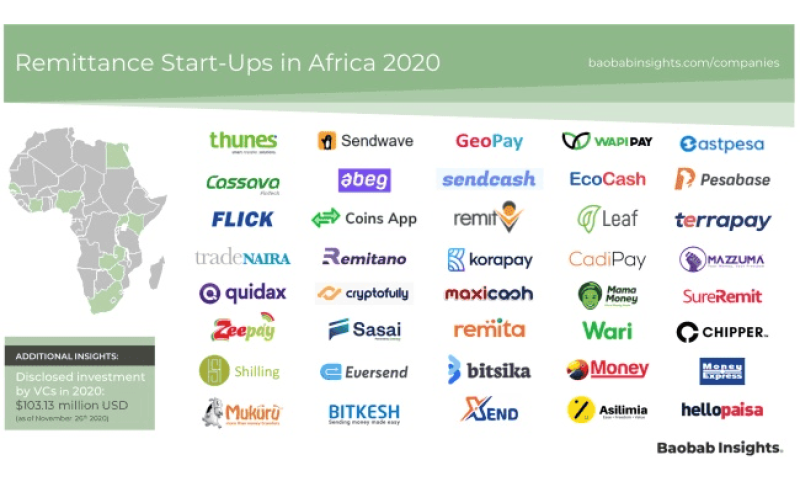
Inside Nigeria’s Fintech Frenzy: Are
Remittance Startups Solving Real Problems or Just Cloning Each Other?
Every few weeks, a new remittance startup pops up in
Nigeria, each one promising faster transfers, lower fees, and better rates. But
the question remains—how many of them are actually solving the real pain points
of their users?
With remittance inflows expected to hit $26 billion
by 2025 (up from $20.1 billion in 2021), this sector is a goldmine. The
‘Japa’ movement—Nigerians migrating abroad—is fueling a massive rise in
cross-border financial services. No surprise then that fintech innovation is
exploding, especially in payments and remittances.
Fintechs now dominate over 30% of Nigeria’s fintech
market, with the number of startups surging from 144 in 2022 to 217 in
2023. As of February 2025, there are over 430 fintech companies in
the country, with remittance and payment services leading the pack.
But growth isn’t everything. While platforms like LemFi,
Send by Flutterwave, Payday, Grey, and others promise
unique features—from multi-currency wallets to peer-driven FX rates—most users
still face the same old issues.
The Innovation vs Impact Question
LemFi, one of the few
to disclose numbers, has over 1 million users and processes more than $1
billion monthly. Others like Wirepay and Eversend also report
significant adoption. But many platforms don’t share user data at all—raising
questions about actual traction.
Despite some creativity in service offerings, many
startups look alike. Fast transfers, virtual cards, currency swaps, and
support for the diaspora community are common. Is this real innovation—or just
duplication?
Pain Points That Persist
Is the Market Oversaturated?
Startups are trying to diversify—offering services
like savings, lending, and bill payments—but uptake is still limited. According
to Agpaytech, remittance and payment platforms make up a significant
chunk of the fintech space, leading to a crowded market with few truly
standout players.
Darlington Onyeagoro, CEO of Aladdin Digital, summed
it up well:
“The fintech space in Nigeria is almost saturated…
there are over 300 loan apps on the Play Store alone.”
Without disruptive ideas or deep funding, it’s tough
for new players to stand out. And even with new faces entering the scene, core
challenges remain unresolved.
Final Thought: Reinvention or
Rinse-and-Repeat?
Nigeria’s remittance boom is real, and so is the need
for better solutions. But for all the noise, it’s becoming clear that more
startups don’t automatically mean better services. Until fintechs start
deeply addressing high fees, trust, access, and transparency, the sector risks
becoming a revolving door of similar products chasing the same users.
Let me know if you'd like a shorter version,
infographic-style summary, or visual breakdown of the startups.
Comments:
Leave a Reply