

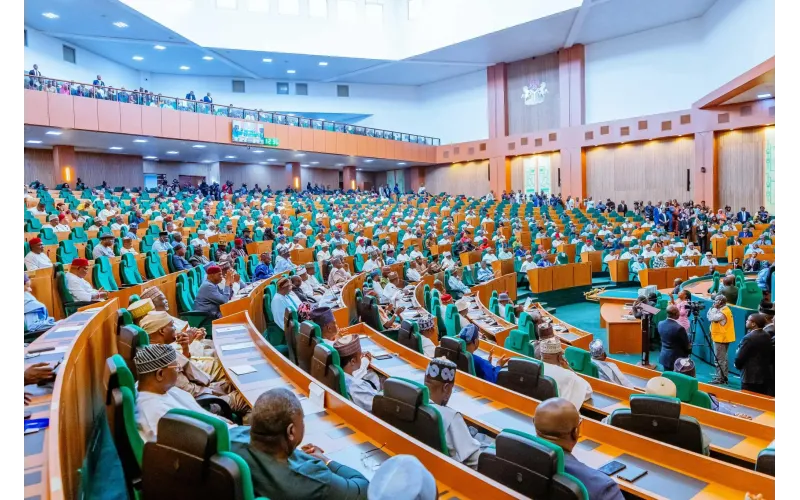
Nigeria’s House of Representatives has initiated steps
to investigate the continued drop in farm produce prices nationwide, expressing
concern over its effects on farmers’ incomes, food availability, and overall
nutrition.
During plenary on Wednesday, April 22, lawmakers urged
the Federal Ministry of Agriculture and Food Security to work closely with
relevant bodies to urgently develop and implement measures that would address
the situation. Suggested interventions include structured produce off-take
systems and price support strategies aimed at cushioning farmers from losses.
The House also emphasized the need to improve
agricultural infrastructure by expanding storage facilities, boosting
processing capacity, and enhancing market access. Proposals included
strengthening strategic grain reserves and developing agro-processing zones to
reduce post-harvest losses and stabilize prices.
The resolution followed a motion presented by Bamidele
Salam, who described agriculture as a vital sector for employment, rural
development, and national economic growth.
While presenting the motion, Salam noted a significant
and sustained decline in the prices of key crops such as cassava, rice, and
yam. He warned that many farmers are incurring heavy losses after investing in
inputs like seeds, fertilizers, chemicals, transportation, and labor—often
financed through loans or cooperative arrangements.
He attributed the situation to challenges such as the
lack of organized off-taking systems, poor storage infrastructure, weak
agro-processing capacity, and limited market access, all of which contribute to
high post-harvest losses and unstable pricing.
Salam cautioned that if left unaddressed, the trend
could discourage farmers, reduce agricultural productivity, and weaken
investment in the sector. This, he said, may eventually lead to food shortages,
increased reliance on imports, and higher food prices.
Lawmakers further warned that disruptions in food
production and supply chains could limit access to affordable and nutritious
meals, worsening food insecurity and malnutrition—especially among vulnerable
groups. They stressed the importance of government-backed price stabilization
policies and buffer stock programs to protect farmers and ensure long-term
agricultural sustainability.
Comments:
Leave a Reply