

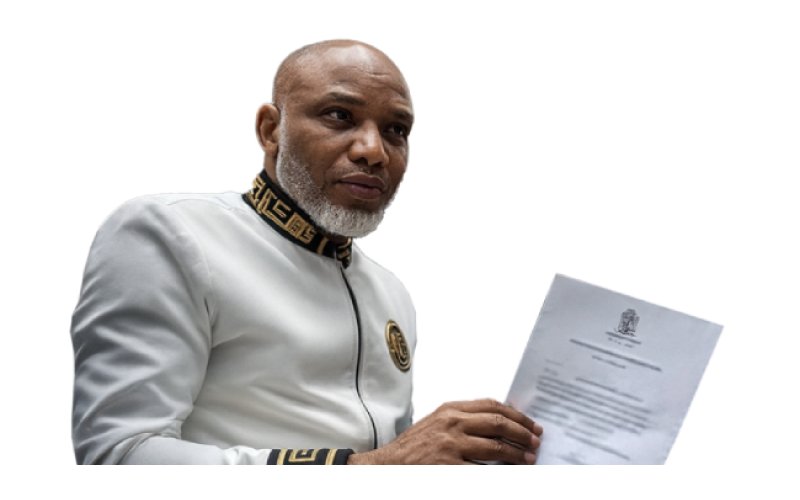
The South-East caucus of the House of Representatives
has appealed to President Bola Ahmed Tinubu to grant a presidential pardon to
the incarcerated leader of the Indigenous People of Biafra (IPOB), Nnamdi Kanu,
insisting that his release would help de-escalate tensions and open the door to
meaningful dialogue in the region.
In a statement issued on Monday after a closed-door
meeting, the lawmakers said Nigeria has, at critical moments, relied on
presidential clemency to heal national divisions and strengthen peace. They
argued that Section 175 of the 1999 Constitution empowers the President
to intervene politically when legal processes alone prove inadequate for
resolving complex national issues.
‘A Symbol of Inclusiveness and Healing’
According to the caucus, pardoning Kanu would serve as
“a symbol of inclusiveness, fairness, and leadership that prioritises
healing over division.”
They added:
“It would send a clear message that dialogue is still
possible, even in difficult circumstances. The release of Mazi Kanu would open
space for broader engagement between the Federal Government, elected leaders,
and community stakeholders to chart a sustainable and peaceful path forward.”
The lawmakers maintained that the gesture would be an
investment in the country’s long-term peace and cohesion.
Detention Fueling Tension in the
South-East
The caucus noted that Kanu’s continued detention has
worsened agitation and public anxiety in the South-East, despite repeated
appeals for calm. They said the region has suffered significant social and
economic disruptions — including closed markets, interrupted schooling, reduced
commercial activity, and fear among residents.
They argued that a presidential act of mercy at this
time could reduce civil unrest, ease security operations, and help restore
normalcy.
“Beyond its political nature, this matter has taken a
deep emotional toll on families, communities, and the general population,”
the lawmakers said.
While reaffirming respect for the judiciary and the
legal processes that led to Kanu's conviction, the caucus emphasised that the
case has evolved into a broader national concern with humanitarian, economic,
and security implications.
Conviction for Terrorism
Kanu was convicted on November 20, 2025, and
sentenced to life imprisonment by Justice James Omotosho of the Federal
High Court in Abuja. The court held that the prosecution had proved all seven
counts of terrorism-related offences beyond reasonable doubt.
Justice Omotosho ruled that Kanu’s repeated threats,
violent broadcasts, and enforcement of “sit-at-home” directives amounted to
preparatory acts of terrorism, and that his actions showed disregard for the
lives of his own people.
Kanu’s legal team has, however, vowed to challenge his
conviction at the Court of Appeal.
Call for Presidential Intervention
After extensive deliberation, the South-East lawmakers
formally appealed to President Tinubu to exercise his constitutional powers
under Section 175 to grant Kanu a presidential pardon.
The lawmakers stressed that such a move would lower
political temperatures in the South-East, rebuild trust, and create the
conditions necessary for sustainable peace.
Comments:
Leave a Reply