

The Nigeria Customs Service (NCS) has recorded an
unprecedented revenue of N1.3 trillion in the first quarter of 2025, more than
double the N600 billion collected during the same period in 2023.
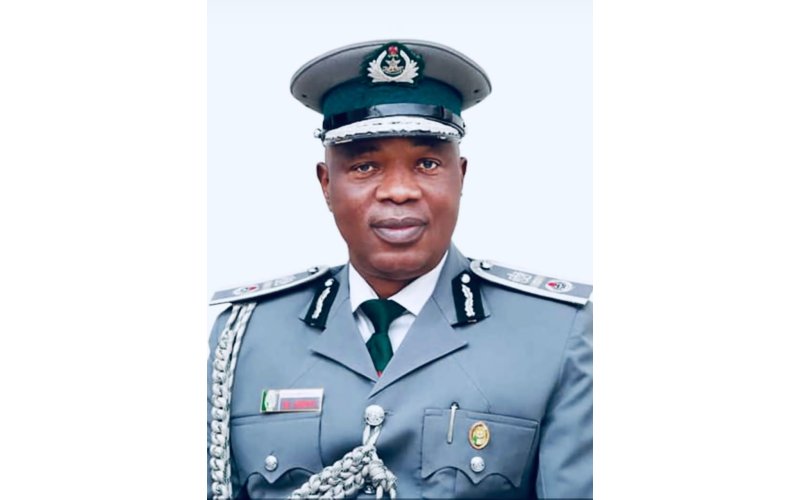
Comptroller-General of Customs Bashir Adewale Adeniyi
attributed this remarkable growth to transformative reforms under President
Bola Tinubu’s Renewed Hope Agenda, as revealed in an upcoming State House
documentary marking the President’s second anniversary.
Adeniyi highlighted that the revenue surge emanated
from improved technological deployment, enhanced port operations, tightened
enforcement on revenue leakages, and a renewed culture of accountability across
Customs commands.
“We collected N1.3 trillion in Q1 2025 alone. This is
not due to higher import volumes. Imports have dropped due to foreign exchange
constraints. What has changed is efficiency, transparency and enforcement,” the
Comptroller-General said.
He disclosed that the Service is preparing to launch
the E-Customs Modernisation Project. This $3.2 billion initiative will digitise
cargo processing, surveillance and payment systems across Nigeria’s ports and
borders.
“We’re laying the foundation to move from a manual,
paper-based system to a fully digital service. The E-Customs Project is central
to our future. Once fully deployed, we project it will add $250 billion in
cumulative revenue over 20 years,” he said.
Adeniyi added that the newly launched Authorised
Economic Operator (AEO) Programme is now onboarding pre-vetted importers,
allowing compliant businesses faster processing and reducing port congestion.
“It’s about trust and efficiency. If you’re compliant,
you get green-lane treatment. This is how modern customs systems work
globally,” he said
The Customs CG confirmed that the Service has
intensified its anti-smuggling operations and closed long-standing revenue
leakages.
He said over N64 billion was recovered from previously
under-assessed or undervalued imports in the last nine months, and major
smuggling rings at the Seme, Idiroko, Katsina, and Sokoto borders have been
dismantled.
He said the new joint border patrol task forces
established in coordination with the Nigerian Army, DSS, and Police have also
yielded positive results.
“We’re no longer just chasing smugglers in the bush.
We’re using data, surveillance drones and port intelligence to act in
real-time. Once systemic leakages are now being plugged,” ” Adeniyi said.
To ease trade and reduce business costs, Adeniyi
disclosed that NCS is fast-tracking the roll-out of the National Single Window.
This digital portal will integrate all government agencies involved in cargo
clearance.
“Right now, you deal with up to 15 agencies manually.
With the Single Window, you’ll do it all online, in one place. This will slash
clearance time and costs,” the CG explained, adding that clearance timelines at
Apapa and Tin Can Ports have already dropped from 21 days to 7–10 days for
compliant importers.
The Comptroller-General said the agency has introduced
fast-track lanes for agro-exports and is working with the Nigerian Export
Promotion Council (NEPC) to streamline outbound cargo processes in line with
the government’s push for non-oil exports.
“We’re promoting exports aggressively. Last year,
Nigeria exported over ?340 billion worth of solid minerals and agro commodities
through formal channels, up by 38%. We’re targeting even more in 2025,” he
said.
He stated that the Customs Service is also undergoing
internal transformation, with over 1,800 officers trained in advanced data
analytics, risk profiling, and artificial intelligence.
“Customs is no longer just about physical inspection.
We are becoming an intelligence-led organisation, and our officers are being
retrained to match global standards,” Adeniyi said.
“The President gave us a clear directive: block
leakages, facilitate trade and raise revenue without burdening Nigerians. That
is what we are doing. And the results are beginning to speak for themselves.”
Comments:
Leave a Reply