

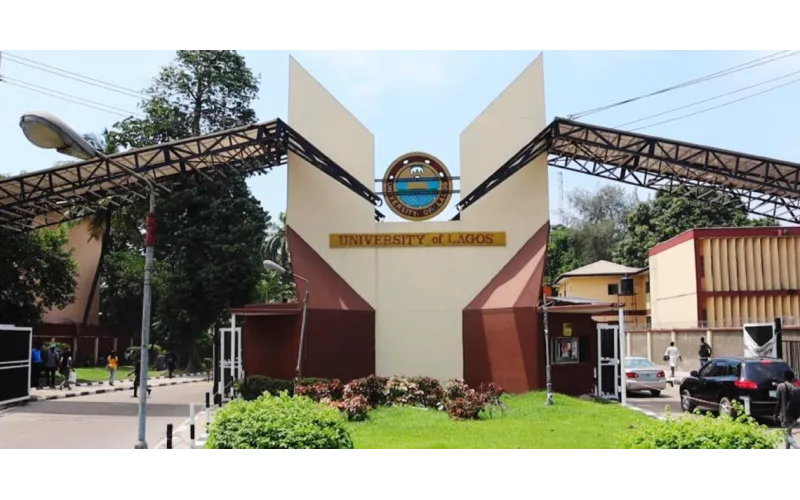
The University of Lagos (UNILAG) has refuted claims
circulating on social media that notifications of examination malpractice sent
to candidates during its recently concluded 2025/2026 Post-UTME screening
exercise were the result of a technical glitch.
In a statement signed by Adejoke R. Alaga-Ibraheem,
Head of the Communication Unit, UNILAG stressed that flagged cases were based
on clear violations of examination guidelines detected through multiple
monitoring mechanisms, including secure video surveillance.
“The University categorically affirms that the
notification of examination malpractice earlier issued in respect of the
screening exercise was not the result of a system or technical glitch,” the
statement read.
The university clarified that, while it would not
release uncensored video recordings of flagged candidates due to data
protection laws, it may publish anonymised screenshots to illustrate the types
of violations under review.
Growing Tensions
From September 1–4, 2025, UNILAG conducted its online Post-UTME screening for about 20,464 candidates. Following the exercise, several candidates were flagged for malpractice, sparking backlash and allegations of system failures.
The controversy gained momentum after Alex Onyia,
CEO of Educare, threatened legal action against both UNILAG and Obafemi
Awolowo University (OAU). Onyia claimed both universities used the same vendor,
Web Test, whose platform allegedly contained major bugs that wrongly
flagged students for malpractice and assigned suspiciously low scores.
Onyia revealed he had received over 750 reports
from affected students, including a tragic case of a young girl named Bridget,
who reportedly took her life due to distress linked to OAU’s screening outcome.
“How can someone who scored 360 in JAMB be scoring 20
in Post-UTME?” Onyia questioned, while offering to conduct an independent
audit of the screening systems free of charge.
Broader Context
The dispute comes amid widespread concerns about
Nigeria’s computer-based examination systems:
These repeated disruptions highlight the fragile
state of digital examination infrastructure in Nigeria, raising questions
about vendor accountability, system integrity, and the psychological toll on
candidates.
Next Steps
UNILAG urged candidates to ignore information from unauthorized channels and rely solely on official communications from the university. Meanwhile, stakeholders continue to press for independent investigations and reforms to restore trust in computer-based assessments.
Comments:
Leave a Reply