

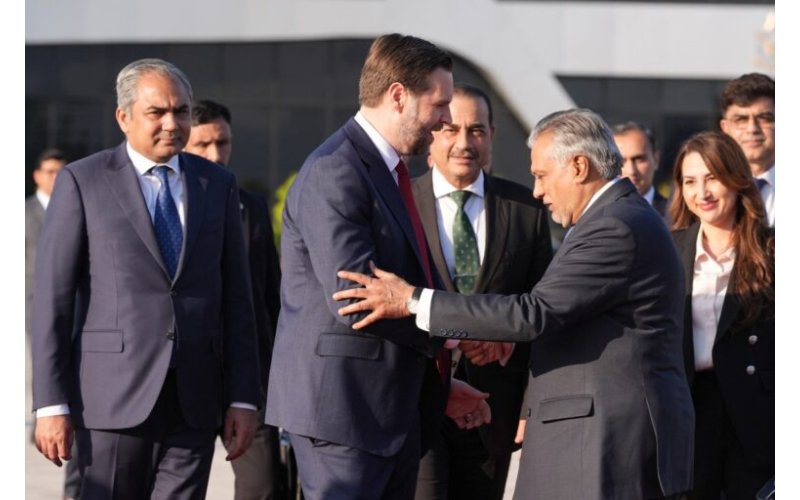
High-level negotiations between the United States and
Iran in Islamabad have ended without a breakthrough, as both sides remain
divided on key issues, particularly Iran’s nuclear ambitions.
Speaking after the talks, J.D. Vance stated that
Washington is seeking a firm commitment from Iran to abandon any pursuit of
nuclear weapons, adding that such assurance has yet to be provided.
Despite the lack of agreement, Vance indicated that
the U.S. is still open to continued dialogue, noting that Iran has been given
additional time to consider what he described as a final proposal from
Washington.
The talks, hosted by Pakistan, come amid a fragile
two-week ceasefire involving the U.S., Iran, and Israel, following weeks of
intense conflict that disrupted global markets and heightened geopolitical
tensions.
Pakistan’s leadership, including Prime Minister
Shehbaz Sharif, has pledged to continue mediating between both sides and urged
all parties to respect the ceasefire agreement while negotiations continue.
However, signs of disagreement quickly emerged.
Iranian state media accused the U.S. of making excessive and unrealistic
demands, particularly concerning the strategic Strait of Hormuz, a vital
shipping lane for global oil supplies.
Iran has maintained a strong position on several
issues, including the lifting of sanctions, access to frozen assets, and
regional security concerns. U.S. officials, on the other hand, have prioritised
nuclear restrictions and maritime security.
The talks were further complicated by deep mistrust
between both sides, with Iranian officials expressing skepticism based on past
experiences with U.S. negotiations. Meanwhile, U.S. President Donald Trump
maintained a firm stance, suggesting that the United States had already gained
the upper hand militarily.
After more than 20 hours of discussions, no agreement
was reached, but both sides left the door open for further engagement.
The conflict, which began in late February following
joint U.S.-Israeli strikes on Iran, has had far-reaching consequences,
including disruptions to global oil supply and escalating violence in the
Middle East.
As diplomatic efforts continue, global attention
remains focused on whether ongoing talks can prevent further escalation or lead
to a long-term resolution.
Comments:
Leave a Reply